

20 years of partnership between Dachser and Terre des Hommes
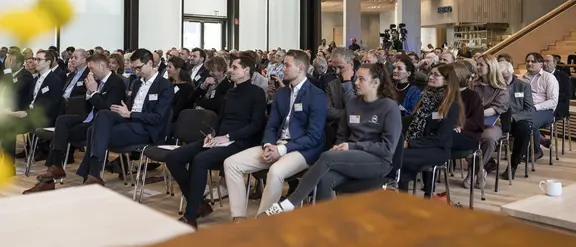
With an anniversary event, the logistics company Dachser SE celebrated two decades of successful collaboration with Terre des Hommes . The focus was on how companies can assume responsibility in partner countries – especially where state actors are withdrawing. The aim was to highlight successes, showcase avenues for cooperation, and encourage other companies to join in.

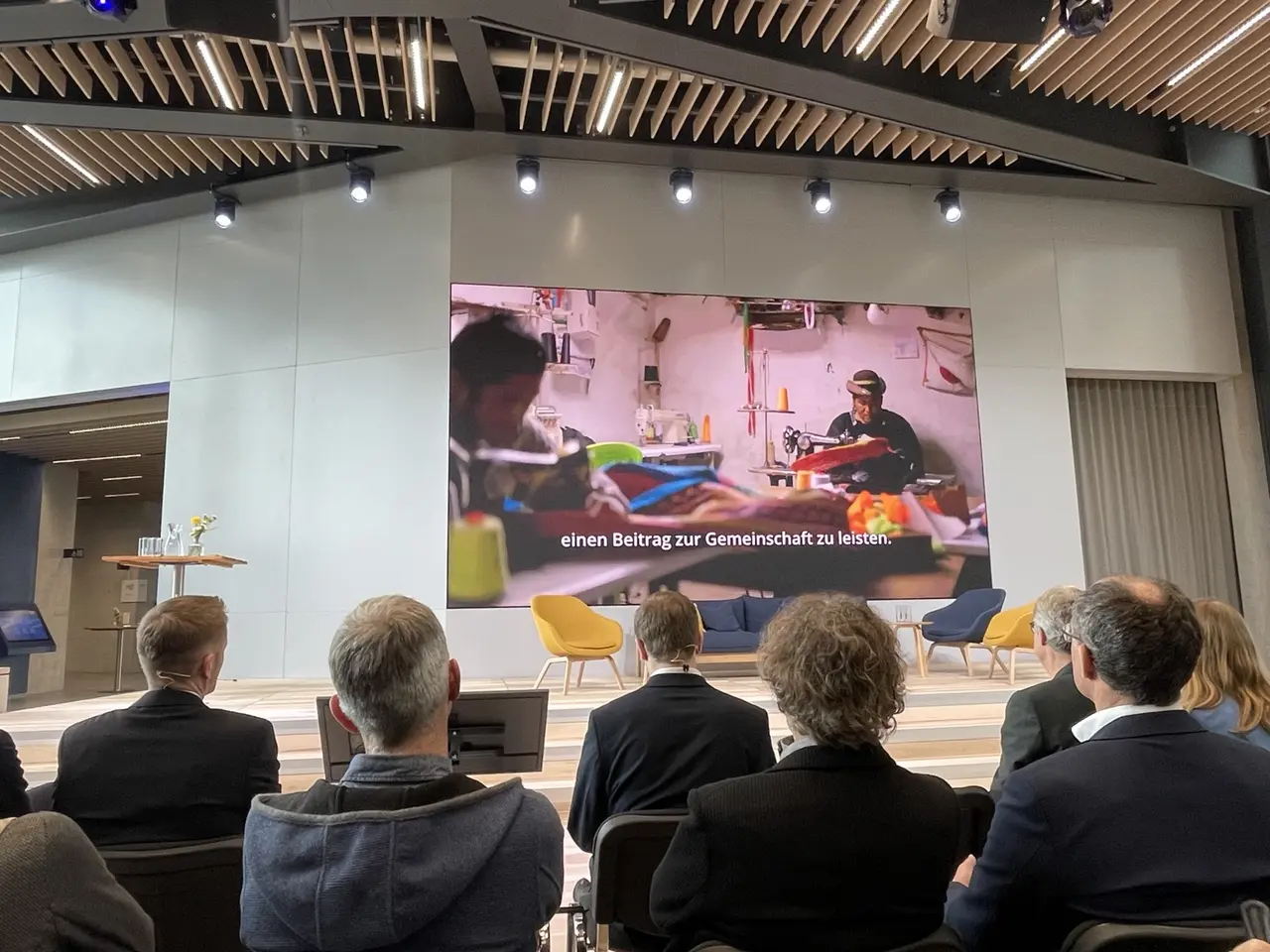
The event offered a vibrant overview of project regions and examples from Peru, Ukraine, and India. Among the presentations were a film about a successfully completed project in Peru with Terre des Hommes partner organization ABA, and a video about the Trash4Cash project in Zambia, which was vividly described by former participants of the youth exchange program. Trash4Cash has evolved from a youth exchange program into a functioning recycling company that reduces waste, promotes a circular economy, and now provides employment and a secure income for more than 100 people in Livingstone.
Voices from politics and business
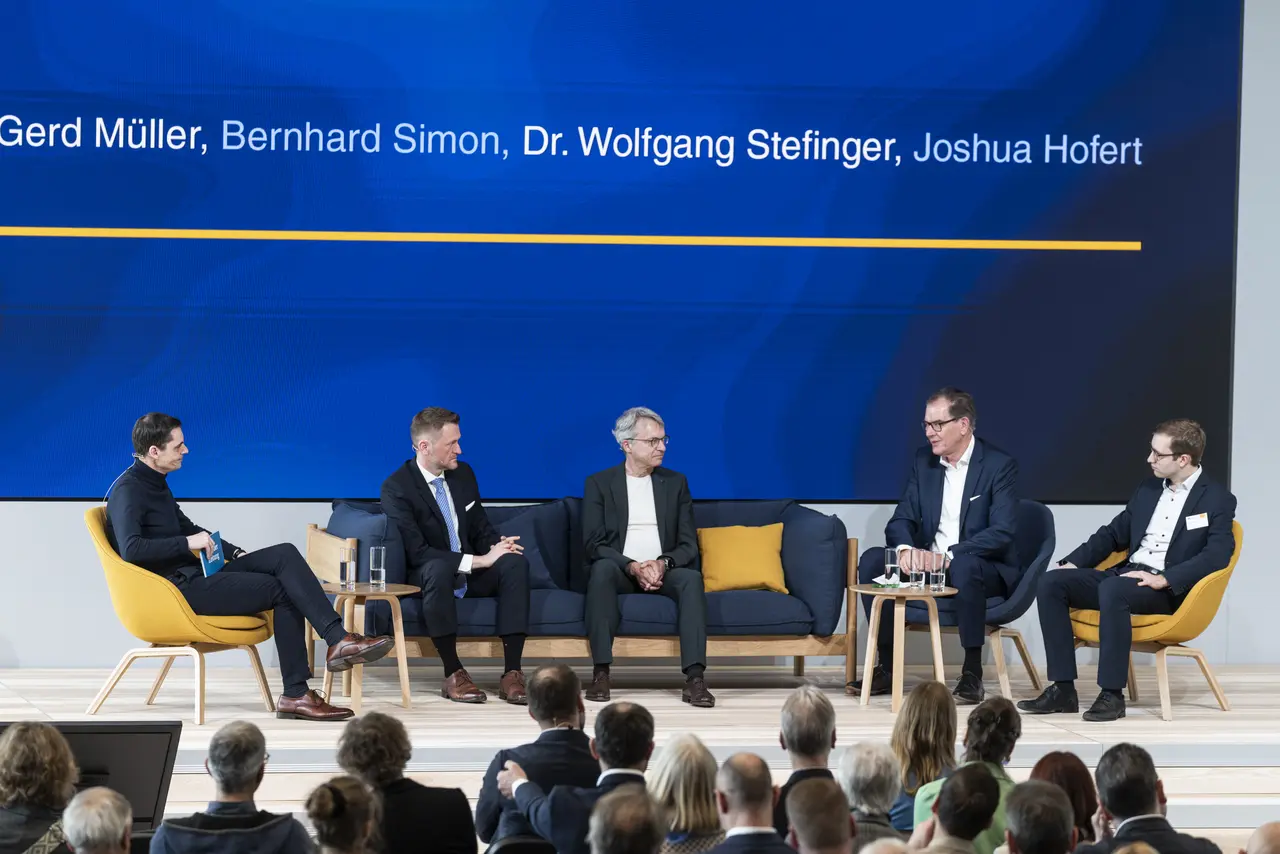
Keynote speakers included Dr. Gerd Müller (Director-General of UNIDO, formerly Federal Minister for Economic Cooperation and Development), Dr. Wolfgang Stefinger (Chairman of the Bundestag Committee on Economic Cooperation and Development), and Bernhard Simon (Chairman of the Supervisory Board of Dachser SE). They emphasized the central role of responsible corporate practice. Bernhard Simon succinctly stated: "Effective humanitarian aid requires equality and clear structures, not handouts."
The event sent a clear signal that entrepreneurial commitment can make a tangible contribution to equal opportunities and children's rights. In the future, collaborative work will focus even more strongly on topics such as equal opportunities, young entrepreneurship, and sustainability – with the goal of opening up better prospects for children and young people worldwide.
Terre des Hommes thanks Dachser SE for its long-term support. This trusting partnership remains a powerful example of how shared responsibility can bring about concrete change.