

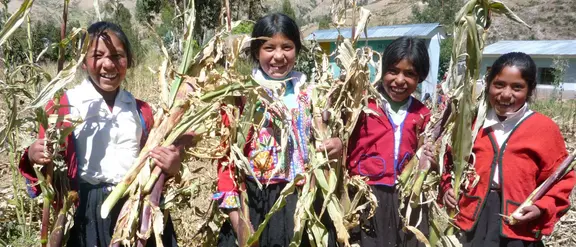
Species are becoming extinct, languages and cultures are being forgotten – globalization and the climate crisis are accelerating these processes. But with every language that is no longer understood, a worldview disappears, knowledge vanishes, and with every plant and animal, a potential answer to today's and tomorrow's problems is destroyed. We are committed to preserving biological and cultural diversity. Support us!
Your donation helps!
Projects
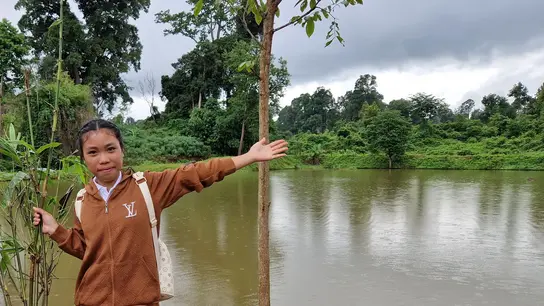
Globalization and Diversity - Data and Facts
Protect biological and cultural diversity!
More than a third of mammal and plant species are threatened with extinction. Of the approximately 6,000 languages currently spoken, more than half will be lost this century. The disappearance of species and the demise of cultures are nothing new. However, globalization and climate change are accelerating this process of displacement so rapidly that more is being destroyed than can be reborn. Terre des Hommes is therefore committed to preserving and promoting biological and cultural diversity. Because every child has the right to grow up healthy in an intact environment. Today and in the future.
Cultural convergence is progressing
Cultures and people develop through exchange with others, but these global exchange processes take place within a framework of unequal power distribution. Globalization levels out what is not part of the global mainstream: Nowadays, the same films, the same music, the same fast food and fashion products are available everywhere. Wisdom, languages, and a wealth of other cultural knowledge are being lost.
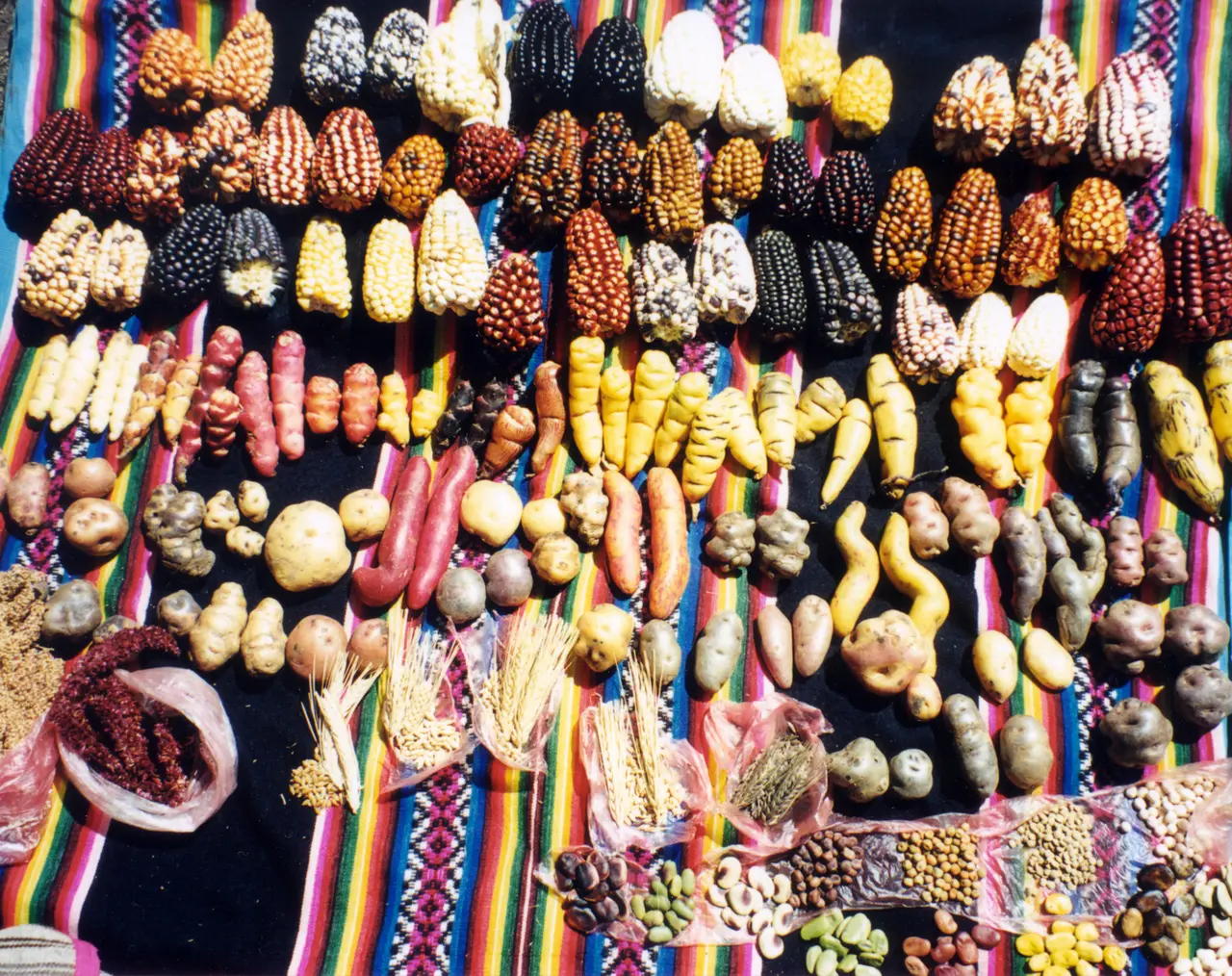
Biodiversity is declining
Humans are also destroying many animal and plant species. For example, the increasing use of machinery and agrochemicals in agriculture is drastically reducing plant and, in particular, insect diversity: The FAO (UN Food and Agriculture Organization) estimates that up to 75 percent of the global diversity of cultivated plants and varieties will disappear within a few decades. The resulting monocultures are more susceptible to pests and diseases, which in turn leads to increased pesticide use. These pesticides then enter rivers and contaminate drinking water.
Protection of biological and cultural diversity
Children are particularly vulnerable to pesticide poisoning; they suffer from skin infections, hair loss, or acute abdominal pain. According to Article 24 of the UN Convention on the Rights of the Child, every child hastheright to a healthy life. The United Nations has also signed an agreement to protect cultural diversity: the "Convention on the Protection and Promotion of the Diversity of Cultural Expressions."
Terre des Hommes together with its partner organizations, is committed to ensuring that these internationally recognized conventions are actually implemented, thus preserving the cultural and biological diversity of this earth.
Pay
- A language dies out every two weeks.
- Just twelve languages fill 98 percent of all websites.
- There are 4,000 to 5,000 indigenous cultures worldwide.
- More than 17,000 animal and plant species are threatened with extinction.
Demands and goals
To preserve biodiversity and enable children to grow up healthy in an intact environment, internationally agreed environmental standards and pollution limits are essential.
terre des hommes calls on the German government to advocate for the rights of children and future generations to a safe, healthy, and intact environment at the UN Summit on Sustainable Development in Rio de Janeiro in June 2012. To this end, the government should appoint an ombudsperson who, independent of short-term economic interests, also represents the well-being of future generations.
In traditional indigenous communities, children encounter a European language of instruction and European values at school. The textbooks originate from an urban world that makes no mention of the environment or the knowledge base of the rural population. The result of this education is alienation and identity problems. The children are ashamed of their mother tongue and their rural origins. Older community members perceive school as an attack on their values and cultural identity.
In order to preserve one's own culture, a change in thinking is therefore necessary. Primary school lessons must be taught in the mother tongue, the timetable must relate to the students' living environment, and they must be introduced to old traditions.
To achieve this, Terre des Hommes supports projects that enable ethnic minorities to live their culture and pass on their language, knowledge, and wisdom to their children. Ecological and agricultural knowledge is preserved, traditions are valued, and protected from being diminished by so-called "modernizers.".

Your contact person
Jonas Schubert
Speaker Advocacy