

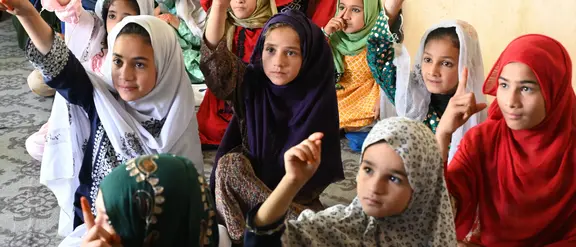
Educational centers and support centers for refugee children
Thousands of children in Nimruz have experienced displacement and deportation. Many more grow up in poverty. Terre des Hommes partner organization "OHA" helps them find new stability.
In August 2021, the Taliban seized power in Afghanistan. Since then, increasing numbers of people have been trying to leave the country. Most are fleeing to neighboring countries: an estimated 3.4 million Afghan refugees now live in Iran, and 1.9 million in Pakistan. However, restrictions and deportations are increasing in these host countries.
Nimruz, a province in southern Afghanistan, borders both Iran and Pakistan. Over the decades, the region has been particularly hard hit by unrest, armed conflict, drought, poverty, and hunger. Now it has become a hub for refugees—and for involuntary returnees.
“I went to Iran to work because there are many problems at home and I’m the only one who can provide for my family,” reports a boy from our partner organization. “I went to Iran to work, but we were beaten and forced back,” says another.
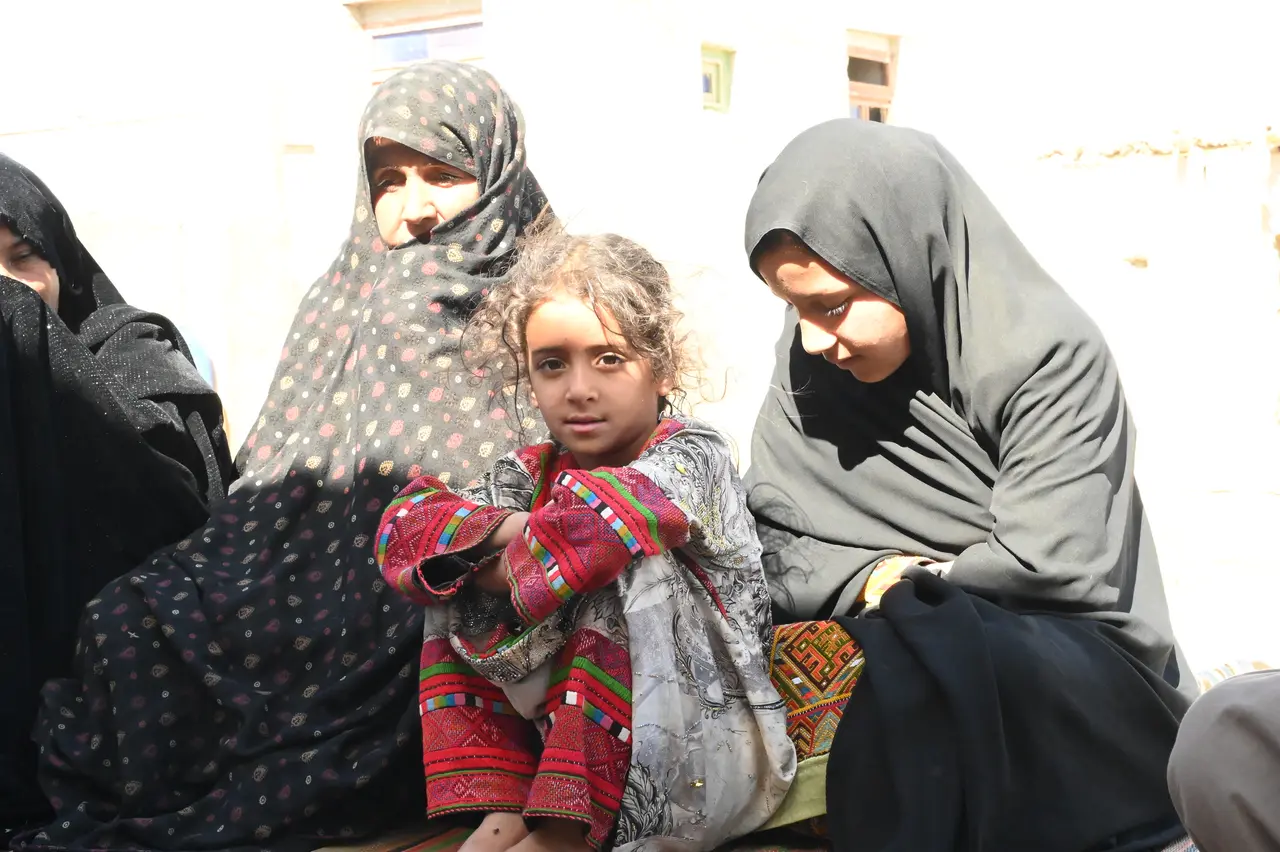
8,000 deportations of children via the Abrishom Bridge alone
Both boys were deported from Iran back to Afghanistan last year. Like many others, they ended up in Nimruz. According to the local "Directorate for Returnees and Repatriation," over 1,750 families – a total of more than 8,000 children – were brought here from Iran via the so-called Abrishom Bridge in 2024 alone.
Although they come from different Afghan provinces, many remain in the area. They or their families often hope to eventually find refuge and work across the border. But their situation is precarious; jobs and employment opportunities are scarce. Basic services are overcrowded, and few children can attend school. Often, they try to earn money or food on their own. All of this leads to significant hardship for children and families, causing trauma and fear.
In response to this situation, the Organisation for Humanitarian Assistance (OHA), together with Terre des Hommes Germany, has set up educational centers and child-friendly contact points to help both migrant and vulnerable children living in Nimruz.
The children can go to school instead of working
The families of these children receive support in learning professions so they can meet their basic needs more sustainably. Social inclusion and integration of the children into schools and communities are also key focuses: The highest priority is often to end exploitative working conditions and dependency so that the children can attend school instead of working.
Children deported from Iran and Pakistan especially need new support, prospects, and often protection from human traffickers and other criminals. Many of these children are traumatized and severely disturbed: stability and a structured daily routine are crucial for them to regain a sense of security and confidence – to rebuild their lives and eventually become independent.
Please help with a donation