PRESS RELEASE
Joint demand for a course correction in the 2027 budget
Sixteen NGOs are appealing to the Bundestag to reverse the cuts in humanitarian aid and development cooperation
Berlin, November 10, 2026 – Despite a worsening global crisis, funding for development cooperation is to be cut again in the 2027 budget, and humanitarian aid is to remain at an inadequate level. This continues the trend of cuts: since 2023, the budget of the Federal Ministry for Economic Cooperation and Development (BMZ) has been reduced by almost 20 percent. According to current budget plans, it is projected to amount to only around 9.5 billion euros in 2027. The cuts to humanitarian aid are particularly drastic. Compared to 2024, funding has been halved and now amounts to only around one billion euros. Together, development cooperation and humanitarian aid thus account for only about two percent of the federal budget.
The budget stands in stark contrast to growing global needs and Germany's ambition to be a reliable partner in the world. Sixteen aid and development organizations are warning of the consequences of these cuts and urging decision-makers in the Bundestag to reverse course. Humanitarian needs are increasing worldwide: ongoing crises, such as those in the Gaza Strip, Sudan, and Ukraine, are exacerbating the situation for millions of people. At the same time, rising energy, grain, and fertilizer prices are jeopardizing food security and driving up the cost of essential goods, especially for people living in poverty. Added to this are the effects of the climate crisis, which could be further intensified by a threatened strong El Niño weather phenomenon. In this context, cuts to international cooperation and humanitarian aid send the wrong signal.
The undersigned organizations appeal to the Bundestag to correct the cuts:
“The planned cuts will affect precisely where aid is vital. They mean less support in the fight against hunger, less access to medical care and education, and less protection for people in crisis. Women and children, who are particularly vulnerable and in need of protection and assistance, are often hit hardest. While conflicts, hunger, and the effects of the climate crisis are increasing worldwide, Germany is increasingly failing to live up to its international responsibilities. This course exacerbates human suffering, prolongs crises, and ultimately jeopardizes peace, stability, and security. It is now up to the Bundestag to reverse these cuts.”
If the cuts remain in place, millions of people worldwide will receive less support. The consequences are severe: due to global cuts in humanitarian aid and development cooperation, an estimated 9.4 to 22.6 million preventable deaths could go unavoided by 2030.
Long-term programs, in particular, create opportunities and strengthen the resilience of communities. Their impact is measurable. Since 2000, global child mortality has more than halved. In the same period, maternal mortality has fallen by over a third. Polio, also known as infantile paralysis, has been virtually eradicated. Many children, especially girls, are attending school for the first time. These successes demonstrate that investments in development cooperation and humanitarian aid save lives. Especially in times of escalating crises, this progress must not be jeopardized.
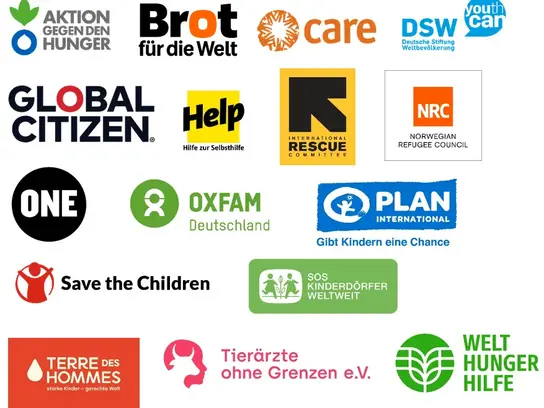
Signatory organizations: