

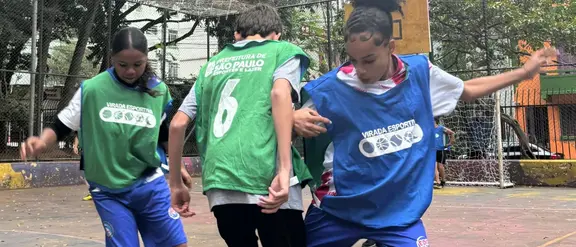
Empowerment through sport
The project supports young people in resolving conflicts non-violently. The children and teenagers contribute their own perspectives to the game, establish their own rules, and develop them further together. Through communication, the children are supported in organizing themselves and creating a football culture that is clearly opposed to discrimination and aggression. In this way, sport also becomes a gateway to social work and creates a space to discuss topics such as equality and domestic violence.
Our street football project in São Paulo embodies this culture of non-violence and gender equality. Around 1,500 children and young people participate. The games are played according to a special three-half system:
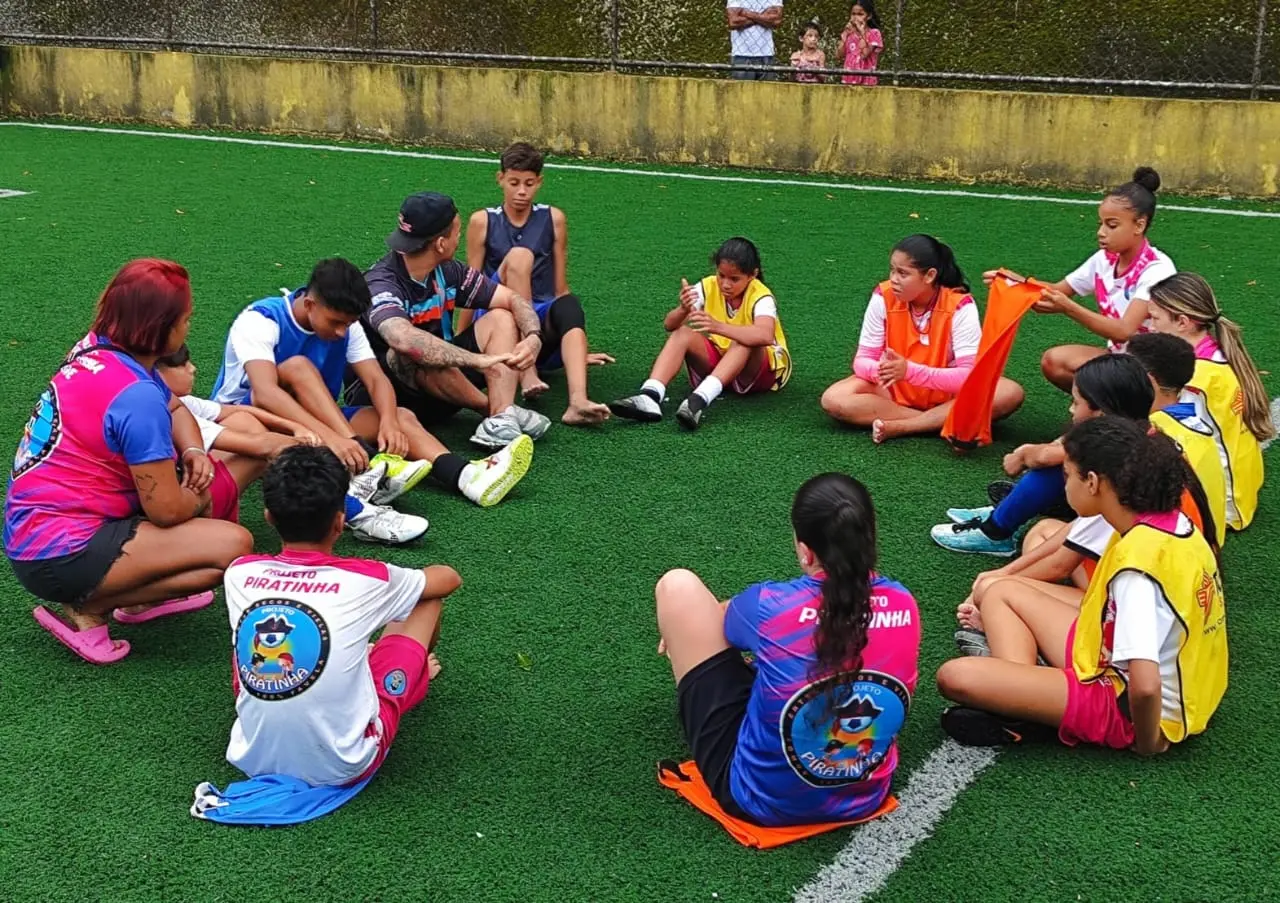
First half: Before the game, the children and teenagers discuss the rules and jointly determine what counts as fair behavior.
Second half: Street football is played in mixed teams.
Third half: After the game, the teams talk about the course of the game, discuss conflicts and award up to nine extra points for solidarity, cooperation and respect, which is why the team with the most goals does not always win.
Eleison Leite, coordinator at our partner organization Ação Educativa, explains that at the beginning, the children sometimes suggest unusual rules – for example, that shooting is not allowed in certain areas or that one can only pass three times. Over time, however, the agreements become more considered: then clear principles are included, such as no homophobic remarks and no violence. Because the children talk to each other a lot, a play culture develops that is characterized by respect – and manages with noticeably less aggression, violence, and competition.
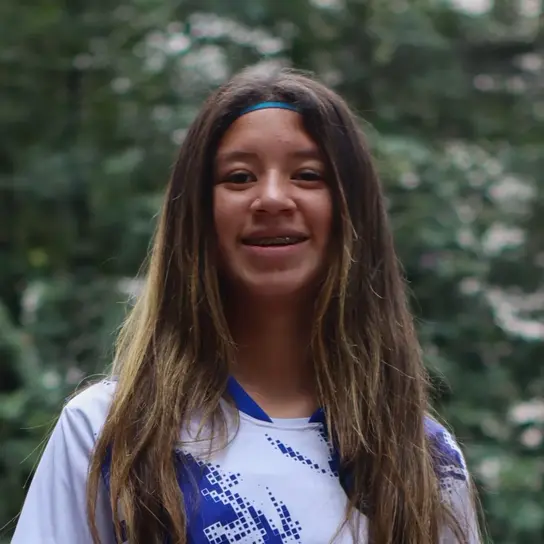
"A lot has changed for me since I joined the project. I felt a bit lost and was often sad. Football became my distraction. Street football is my happy place."
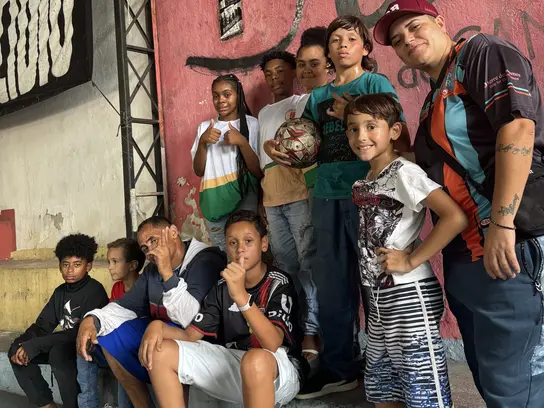
The project is being implemented through a network of partner organizations, including Ação Educativa and "Meninas e Meninos de Rua" in the greater São Paulo area. This project is also part of the "A Chance to Play", through which Volkswagen employees, together with the Volkswagen Group Works Council, have been supporting projects for children and young people for 25 years. In cooperation with Terre des Hommes sustainable opportunities for young people worldwide are being promoted.
More about the program