

The Volkswagen Employee Foundation
Since 2011, the Volkswagen Employee Foundation, a non-profit organization, has partnered with Terre des Hommes to support the integration of disadvantaged children, adolescents, and young adults into education and employment. The funded projects are located near Volkswagen Group sites worldwide in Europe, Latin America, Asia, and Africa. The foundation also supports Terre des Hommes ' humanitarian aid projects where they are most needed.
About the cooperation
As strong partners for children's rights, the Volkswagen Employee Foundation and Terre des Hommes together with their local partner organizations, pursue an important goal: improving the life prospects of children and young people who have limited access to quality education and thus restricted opportunities for a self-determined life. Currently, 27 projects in 11 countries are being supported.
More information: 10 years of cooperation between TDH and its employees

"Providing young people with vocational training and fostering their personal strengths is of particular importance to us. We are delighted to be working with Terre des Hommes to pave the way for young people worldwide to take control of their future."
The program concept
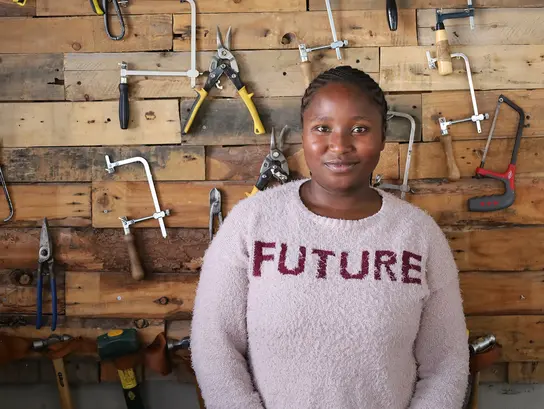
The measures focus on making it easier for young people from disadvantaged backgrounds to access further education and vocational training. At the same time, they aim to improve their chances of entering the workforce. This includes support and guidance on their path to self-employment – for example, in setting up their own small business.
The projects follow a comprehensive approach: Young people are encouraged to take ownership of their future and exercise their rights. Participants also receive needs-based psychosocial support and mentoring. They actively participate in shaping the projects' offerings.

Project examples
The program aims to create sustainable employment opportunities for young people or to support them in setting up small businesses in order to improve their living conditions and those of their families in the long term. To this end, unemployed young people are placed in social professions and given training to promote their integration into the job market, while in a business incubator, aspiring small entrepreneurs receive practical training, advice, and targeted support for particularly promising business ideas.
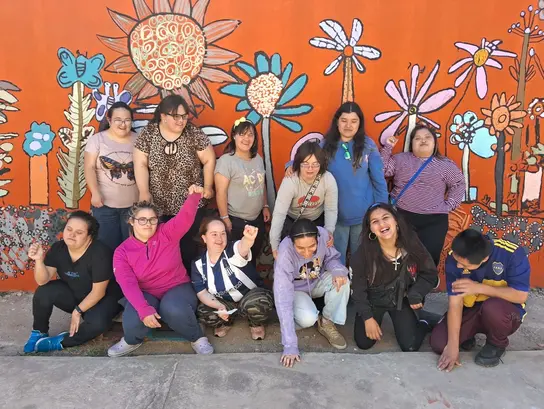
APADIM supports young people with intellectual disabilities on their educational and life paths. Participation and independence are paramount. The organization runs its own school and vocational training center, including an on-site bakery, vegetable garden and shop, IT lab, and printing press. APADIM also supports young people with disabilities in mainstream schools, offers career guidance, job search assistance, and on-the-job support. Wherever possible, placement in the primary labor market is facilitated.
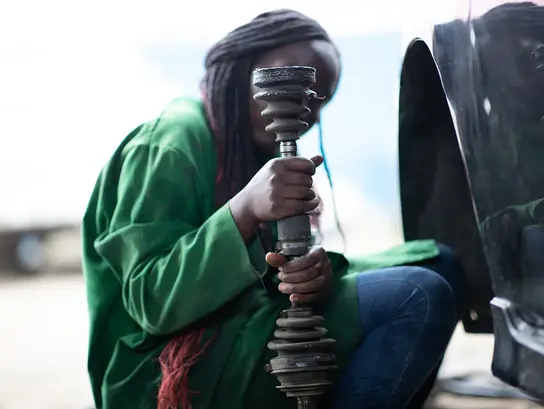
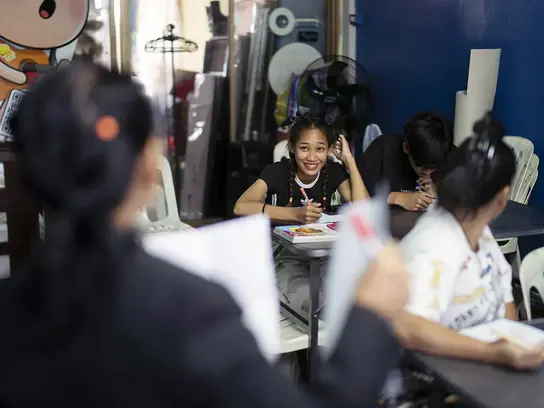
The project strengthens the life skills of young people and paves the way for dignified and sustainable work and income opportunities. Participants complete training courses in market-relevant occupational fields and receive support in integrating into working life or self-employment. Sexual exploitation of children and young people is a major problem in the project area. Therefore, social and state protection systems are also being strengthened.
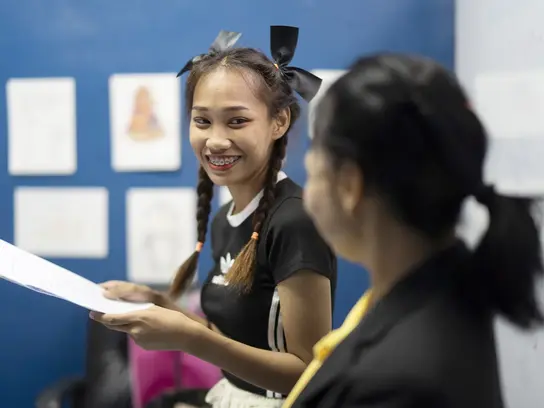
The project improves the educational, professional, and life prospects of children and young people who live on the streets and/or are in conflict with the law. They receive case-specific support that enables their social reintegration. This includes school and vocational training programs, psychological support, and the opportunity to voice their concerns to decision-makers and thus contribute to the reform of youth welfare services.
The project focuses on young refugees from Afghanistan who are seeking a way out of poverty and oppression under the Taliban regime in Turkey. The project strengthens their integration and empowers them to take their own steps to improve their lives. In youth clubs, they exchange ideas and build relationships with Turkish peers, and their skills and interests are assessed to ensure the best possible entry into employment or vocational training.
Your contact persons
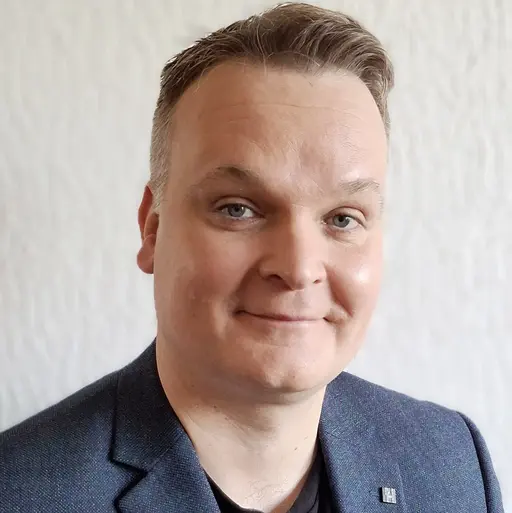
Jens Kunischewski
Speaker for institutional donors and corporate engagement
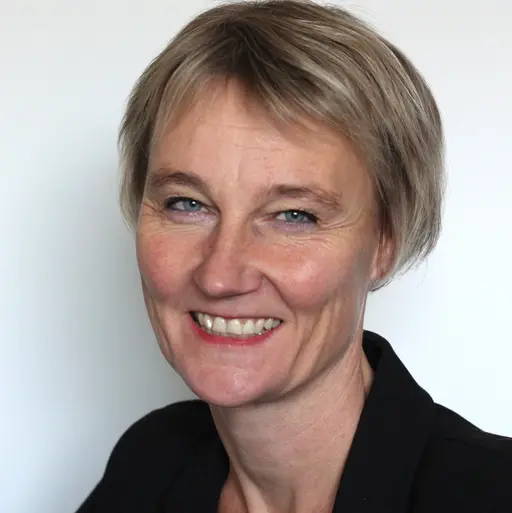
Claudia Berker
Speaker Corporate Partnerships