

Nepal: Climate protection and prospects for young people
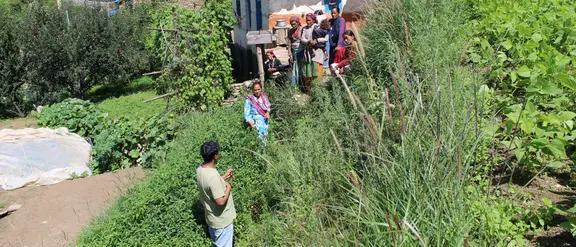
In the remote Nepalese town of Karnali, a project supported by Terre des Hommes Germany is strengthening the resilience of families against climate change and poverty. The aim is to enable climate adaptation, reduce seasonal migration, and provide young people with opportunities in their local communities.
Between glacial melt and crop failure
Nepal is among the countries most severely affected by climate change worldwide, despite emitting very little CO₂. Rising temperatures, shifting seasons, melting glaciers, and changing agricultural practices threaten harvests and livelihoods. Water is increasingly scarce. In Karnali province, nearly 30% of households suffer from moderate to severe food insecurity. These environmental pressures compound deep social vulnerabilities—discrimination, limited access to education, and the practice of child marriage exacerbate the risks for children and adolescents.


Resilient villages, strong youth
Climate-friendly agriculture against poverty and migration
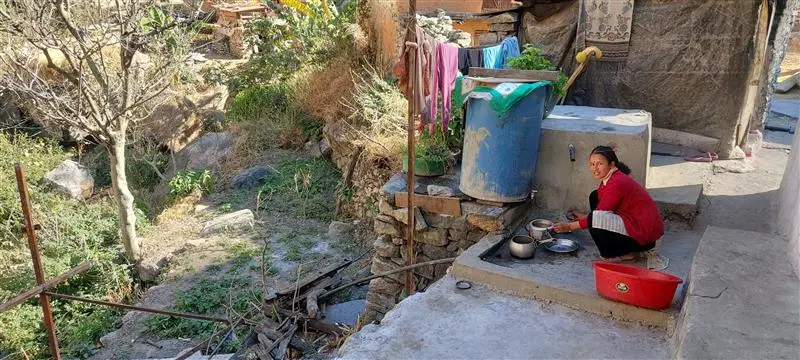
In our project with SAHAS Nepal and KRIN, we rely on a combination of technological innovations, climate-resilient seeds, training, and the empowerment of young people. Our project introduces climate-friendly cookstoves and water filters into local households. The results are particularly positive for children and women: less smoke, better health, and improved quality of life.
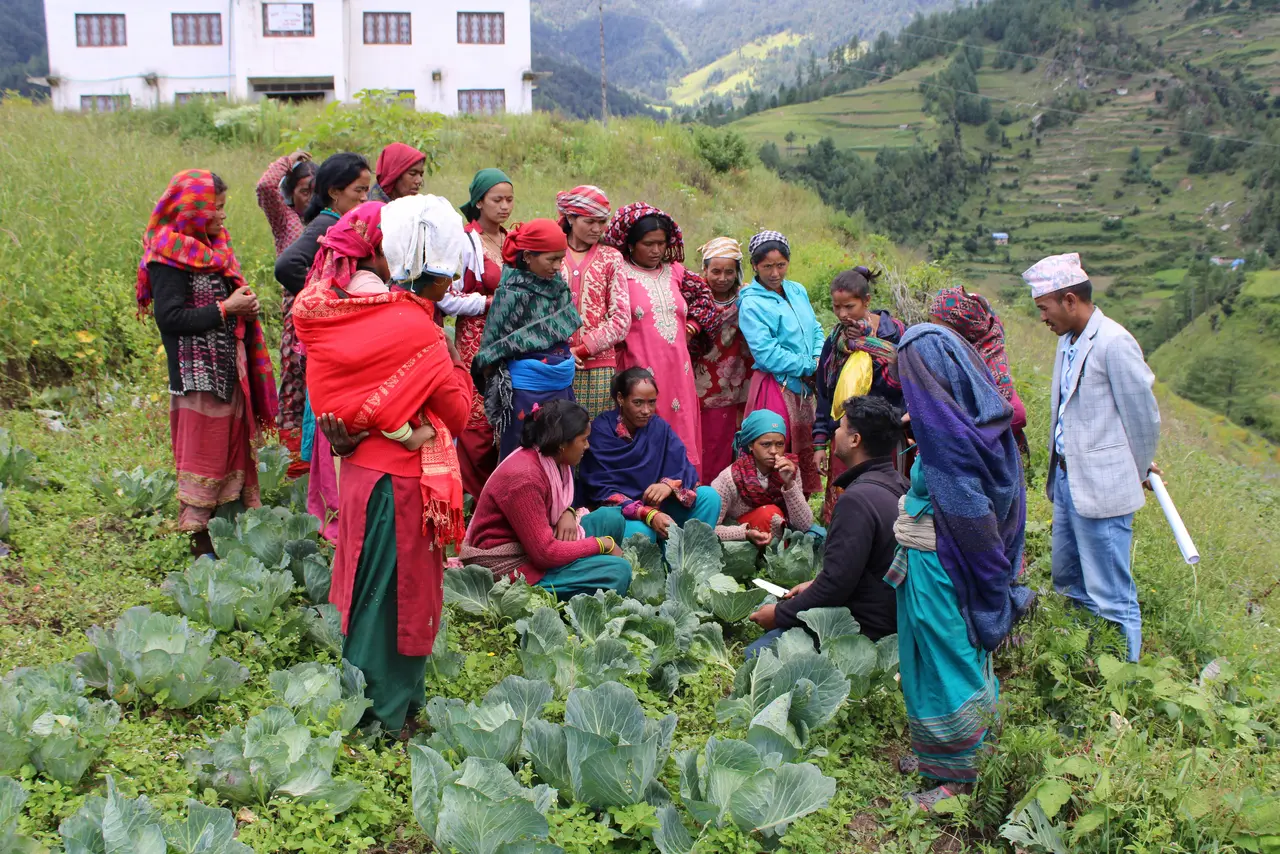
In agriculture, the project promotes climate-resilient farming methods: greenhouses, irrigation systems, biological pesticides, and seeds are distributed to thousands of smallholder farmers. More than 300 training sessions on climate-resilient agriculture have already been conducted. Eight rainwater and greywater harvesting systems help families in water-scarce areas.
Young people play an active role: 34 youth groups and 7 children's clubs are committed to climate protection and children's rights. Awareness campaigns also address issues such as child marriage, gender-based violence, menstruation taboos (chhaupadi), and sanitation facilities.
"With the improved stove, I save time and get less smoke. Now I want to grow vegetables at home so my family can eat better. I also encourage my neighbors to use the new stoves."
Numbers and impact
- 5,540 farmers (5,347 of whom are women) receive support in climate-resilient practices.
- 3,600 farming families will receive seeds; 270 barrels of biological pesticides will be distributed.
- 18 electric rice mills and other technologies reduce the physical strain on women.
- 34 youth groups and 7 children's clubs are active.
- Several municipalities have officially declared themselves child marriage-free zones.
These measures not only improve yields and food security, but also create local income opportunities — an important factor in preventing young people from migrating to cities or abroad.
Thanks to DACHSER
The progress in Karnali is made possible thanks to DACHSER's support. The company's commitment enables technological solutions, training, and the strengthening of civil society structures—thus creating real opportunities for children, young people, and families.