

South Africa: Interview with Jonas Schumacher from the Masifunde project
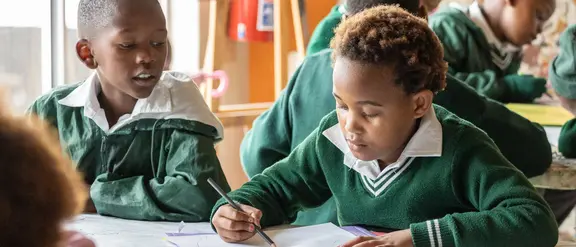
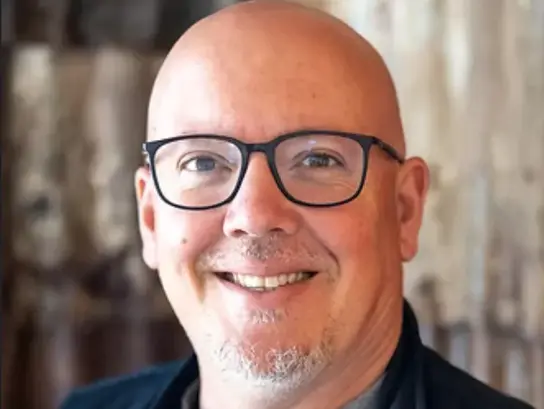
Jonas Schumacher heads the Masifunde project in Gqeberha, South Africa. Masifunde supports children in gaining good educational opportunities and developing their talents despite difficult living conditions in the township. We interviewed him about the current situation in the country.
What is the current social and economic situation in South Africa?
The situation is very difficult for many people. Official unemployment stands at nearly 34 percent, and youth unemployment in the Eastern Cape region is over 40 percent. The economy is growing too slowly to create enough new jobs. For many families, making ends meet remains a daily challenge.
Here in Walmer Township, we see how little financial leeway many households have. Food, electricity, and transportation must be paid for, often from a single income or social benefits. At the same time, public services are often limited.
I am particularly troubled by how much a child's opportunities still depend on where they are born and how much money their family has. The consequences of apartheid are still palpable today. At the same time, I encounter people every day who are committed to their communities, building small businesses, and making a difference together. This gives me great hope.
Local elections were held in early November, and the ruling ANC party suffered massive losses. How should these elections be assessed?
I see this primarily as a great disappointment with politics. The ANC played an important historical role in the fight against apartheid. Today, however, people also want to see that their community functions: that water flows from the tap, that garbage is collected, and that public funds are used wisely.
I think it's fundamentally good for democracy when a party has to continually earn its support. My concern, however, is that the coalitions now needed in many places could get bogged down in power struggles. The crucial factor will be whether the parties can work together reliably. For people, everyday life needs to improve after the election.
It was encouraging that the ANC's losses in votes did not shift to the left or right fringe and populist parties. The center has strengthened and become more pluralistic. Democracy in South Africa is alive and functioning. That is gratifying.
How are children and young people currently experiencing the situation in South Africa?
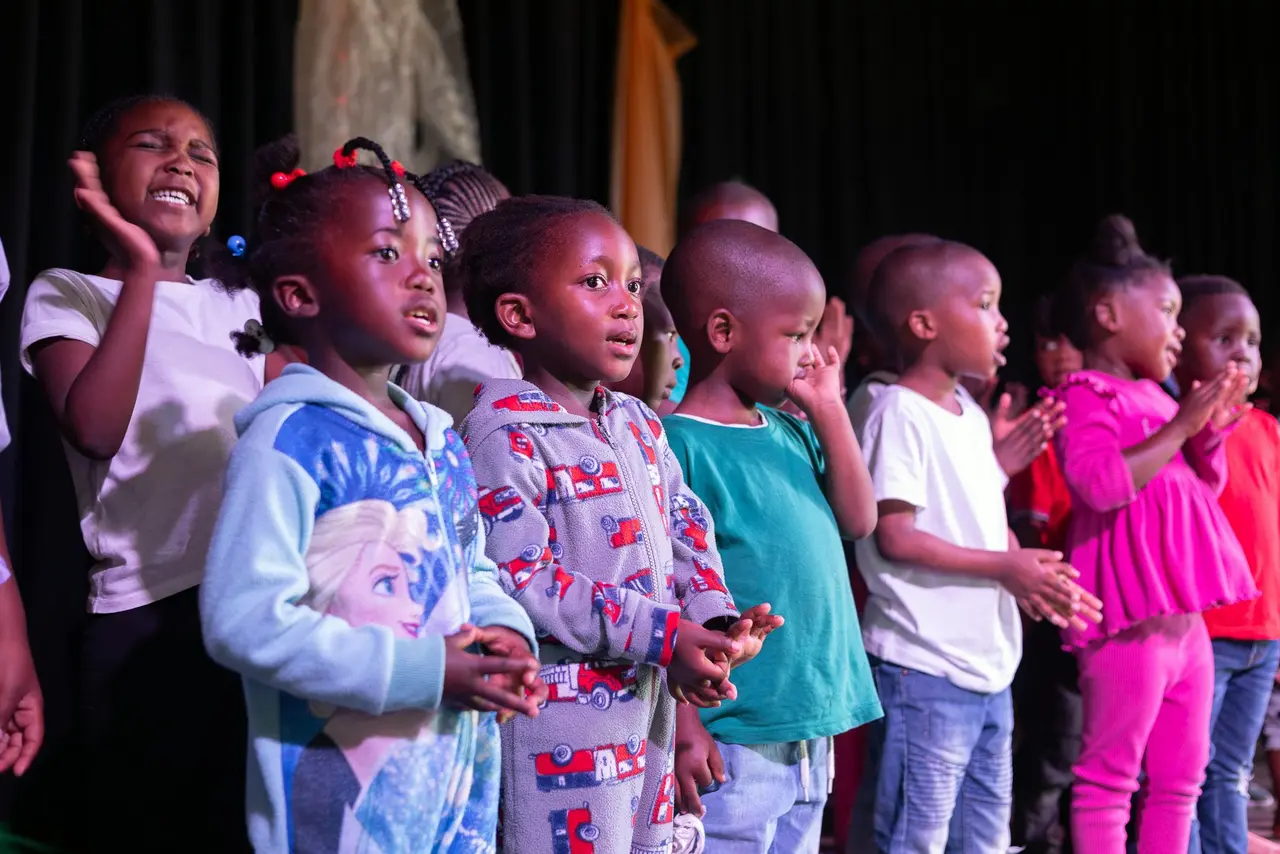
It depends a great deal on the conditions in which they grow up. Many of the children we work with experience financial hardship, cramped living conditions, and insecurity. Violence and the vast disparities between schools also negatively impact their development. We continue to observe significant problems with access to quality education, adequate nutrition, and basic necessities.
As people get older, questions about their own future arise. When young people see that even those with school qualifications can't find work, it can be discouraging. It's hard to believe in one's own potential when so few opportunities seem to exist in one's immediate surroundings.
At the same time, I see a lot of curiosity, creativity, and a desire to make a difference among our young people. They have ideas and want to take on responsibility. I think society needs to listen to them much more often and give them real opportunities to participate in decision-making and implement their ideas.
What challenges do children and their families face, and how does Masifunde respond to them?
The problems are closely linked. If there isn't enough money for food at home, learning becomes more difficult. If a child falls behind in reading during the early school years, this will affect almost all subjects later on. And when parents struggle to make ends meet every day, they often have little time or energy left for additional support.
That's why at Masifunde we support children and young people for many years. We begin with early childhood education and early literacy. During their school years, we combine learning opportunities with music, art, and topics that are relevant to young people's everyday lives. Later, we support them in their transition to vocational training and employment, as well as in setting up their own small businesses. We work closely with families, schools, and other organizations. We also want to improve the conditions under which children grow up and learn.
It is particularly important to me that young people become active themselves. In our programs, they develop their own projects and, for example, campaign against bullying or for their environment. When they experience that their voice counts and that they can make a difference, it also strengthens their confidence in their own future and thus in themselves.