

India: Against hunger and malnutrition, for children's and women's rights
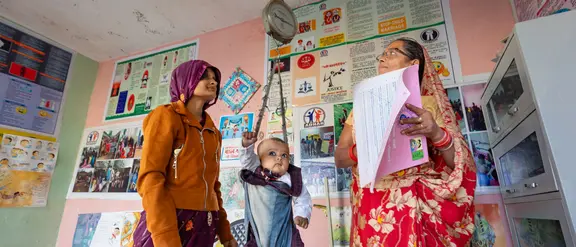
In the Indian state of Odisha, the Terre des Hommes project "SEWOH – Exit from Hunger" supports marginalized children. The project focuses particularly on girls, as many of them struggle with the consequences of malnutrition and discrimination from a young age.
104 million people in India live in so-called Scheduled Tribes: indigenous groups who are often deeply connected to nature and live in remote areas. Government services are therefore difficult for many to access. And the risk of hunger is real, especially for women and children.
For example, in the Kalahandi and Rayagada districts of Odisha state, thousands of households have a secure food supply for only nine months of the year. A third of all children under five are underweight. Furthermore, acute iron deficiency affects almost all girls and young women.
“I used to be constantly weak and tired. I didn’t know why,” says 19-year-old Jayanti. Her life was marked by chronic iron deficiency: weakness, headaches, and lack of concentration.
The reasons: Many families rely on rice for their daily meals, supplemented by what nature provides. Between July and September, after the monsoon sowing, and in March, when the summer harvest is exhausted, they live with food shortages and hunger. Vegetables and protein are already scarce in their diet. But there is also a cultural problem: Women and children are traditionally disadvantaged when it comes to food, eating last and the least.

Helping where others can't go
Our partner organizations DAPTA and Living Farms work directly in villages where government aid falls short. They connect families with government food programs, build networks, and fight against food inequality. Their clear goal: to empower more than 5,000 particularly vulnerable households so that everyone has enough to eat year-round. The project is funded by the German Federal Ministry for Economic Cooperation and Development's (BMZ) "Special Initiative ONE WORLD – No Hunger," which has been combating global hunger since 2014.
What has been achieved so far?
- 4,100 small plots and vegetable gardens have already been established. Families are growing their own leafy vegetables, legumes, and other nutrient-rich plants in them.
- In 116 villages, acutely malnourished children are identified, given special care and support.
- There are nutrition workshops and groups for women and young people where knowledge is shared, always accompanied by discussions about gender equality and health.
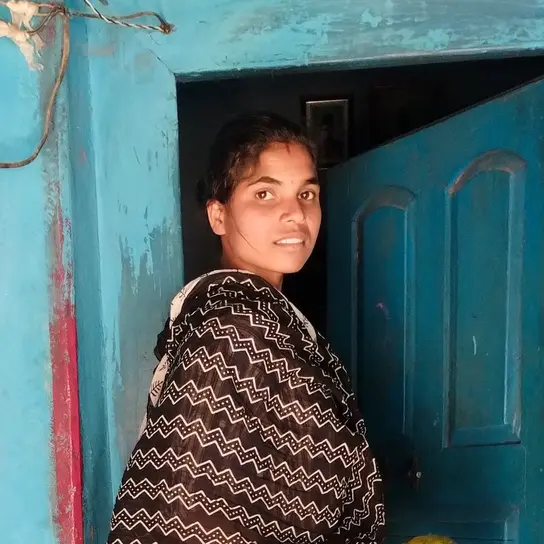
"Now I show others how we can take care of our health. If we are healthy, we can learn, find work later, and realize our dreams."
The training sessions conducted by partner organizations showed Jayanti how simple foods like leafy greens, lentils, millet, and eggs can make a difference. Within six months, her condition improved significantly.
Today she attends school regularly again, is an ambassador for the program, and a role model for other girls. Jayanti's voice is living proof of how targeted support can sustainably change the lives of families.