

Germany
Young asylum seekers in initial reception and subsequent accommodation
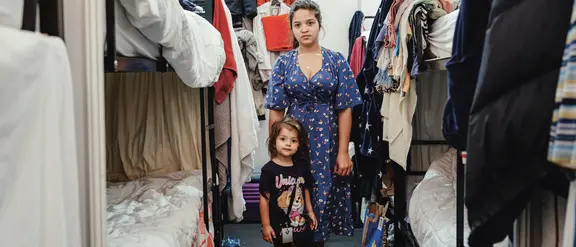
One in three asylum applications in 2024 came from a child or young person – the previous year the figure was even higher. They are fleeing war, violence, and poverty, and they need protection. But in Germany, they often face a lack of prospects: cramped accommodations, a daily life full of uncertainty, and a lack of support. Stricter asylum laws are exacerbating the situation.
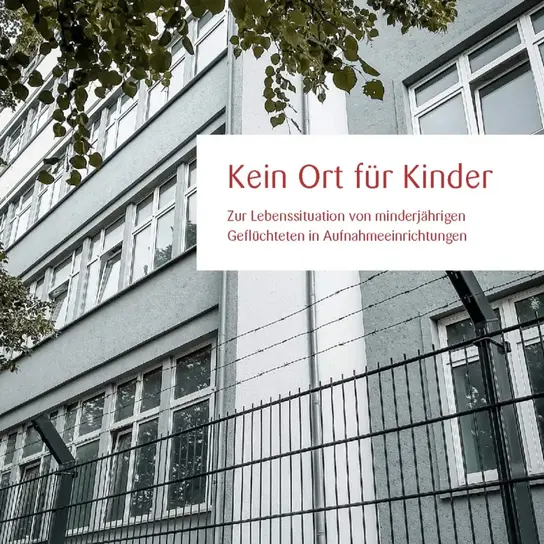
The upcoming implementation of the Common European Asylum System (CEAS) reform threatens further, far-reaching restrictions, including the risk of detention or placement in prison-like conditions, even for children. This must be prevented at all costs.
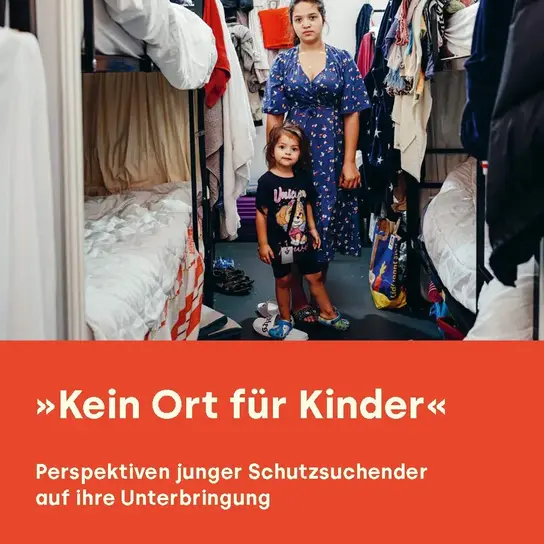
Studies show that the inadequate reception system hinders integration and violates children's rights. Terre des Hommes makes the perspectives of children and young people visible and stands by their side, together with partner organizations, to achieve improvements.
Information material
demands
For child-friendly care and accommodation of children and young people seeking protection!
Children and young people have a right to protection, education, and privacy. Their placement in initial reception centers and AnkER centers systematically violates these rights.
Terre des Hommes demands that the mandatory stay in these facilities for families with children be limited to a maximum of four weeks. This requires a change to the asylum law at the federal level – until then, the federal states should utilize their existing scope for action!
Living in cramped conditions in communal accommodations puts a strain on children and young people, both psychologically and physically. Terre des Hommes demands that families seeking protection be housed in decentralized accommodations and their own apartments – regardless of their country of origin or residency status. The requirements for living in communal accommodations must be abolished, and access to child-friendly housing must be guaranteed. This also requires the promotion of social housing policies!
Without legal protection and other procedural guarantees for children's rights, the rights of children and young people seeking protection cannot be safeguarded and their well-being cannot be guaranteed.
Terre des Hommes advocates for legal protection for minors at every stage of legal proceedings. This requires trained professionals, guardianship and legal representation from the outset, and adherence to the principle of "in case of doubt, presume minority." Terre des Hommes rejects medical methods for age assessment – they are contrary to children's rights and unreliable.
The Asylum Seekers' Benefits Act (AsylbLG) severely restricts the autonomy and participation of children and young people seeking protection.
Terre des Hommes calls for the abolition of the Asylum Seekers' Benefits Act (AsylbLG) and equal access to social security, participation, and healthcare for all, based on the standard benefits of the social security codes. Youth welfare services must be strengthened, and better access must be created for refugee children and families. Stigmatizing payment cards must be abolished.
Every child should have the opportunity to develop their full potential. A child cannot help the family and society they are born into – or whether they have to flee war, crises, and poverty.
Terre des Hommes , together with partner organizations in more than 40 countries, advocates for good conditions for growing up and for child development, and calls on governments worldwide to strengthen especially disadvantaged children – even in a wealthy country like Germany.
Get involved
Terre des Hommes offers a banner exhibition entitled "No Place for Children." Twelve roll-up banners provide information about the situation of young asylum seekers in initial reception and subsequent accommodations. The exhibition can be borrowed free of charge. Organize a local exhibition in your community now. We would be happy to support you with tips on possible dates and locations, as well as posters for public relations and expert speakers for larger events.
Are you interested? Then please send us a message:
participate@tdh.de

EU funding
The research and report were co-financed by the Asylum, Migration and Integration Fund of the European Union.