

Iraq: Trauma therapy and psychosocial support for refugee children
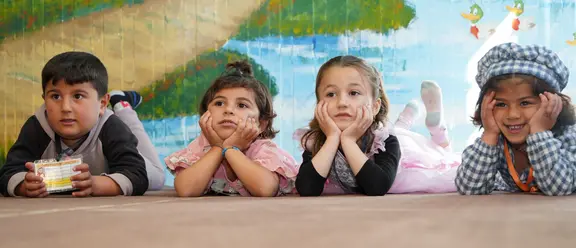
Our partner organization, "Green Desert," helps refugee children in northern Iraq to regain hope. Many are displaced by the Syrian civil war. Very few want to return.
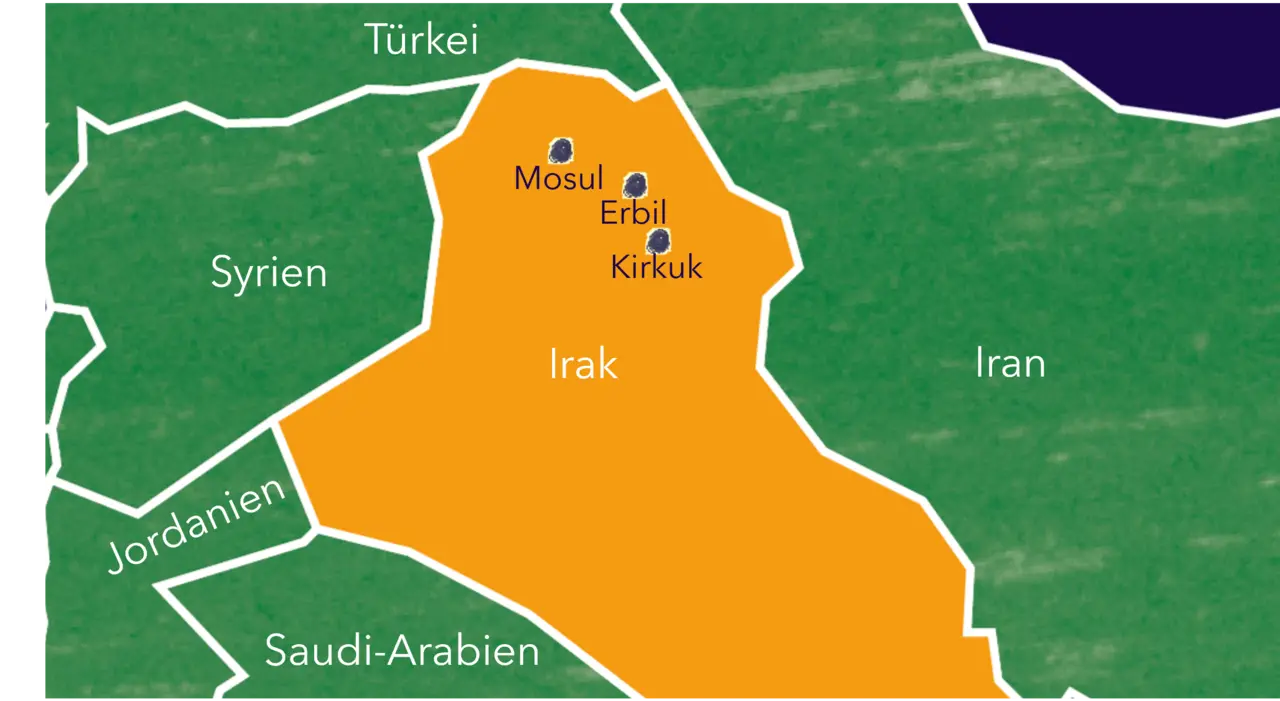
The Iraq War. The reign of terror of the "Islamic State". The civil war in neighboring Syria. Now the war in Iran: The people in northern Iraq live in a world scarred by decades of violence, displacement, and instability.
One million people are currently living as internally displaced persons within their own country. Another 330,000 have fled from neighboring countries: almost all are Syrians who were displaced by the civil war and the regime of Bashar al-Assad.
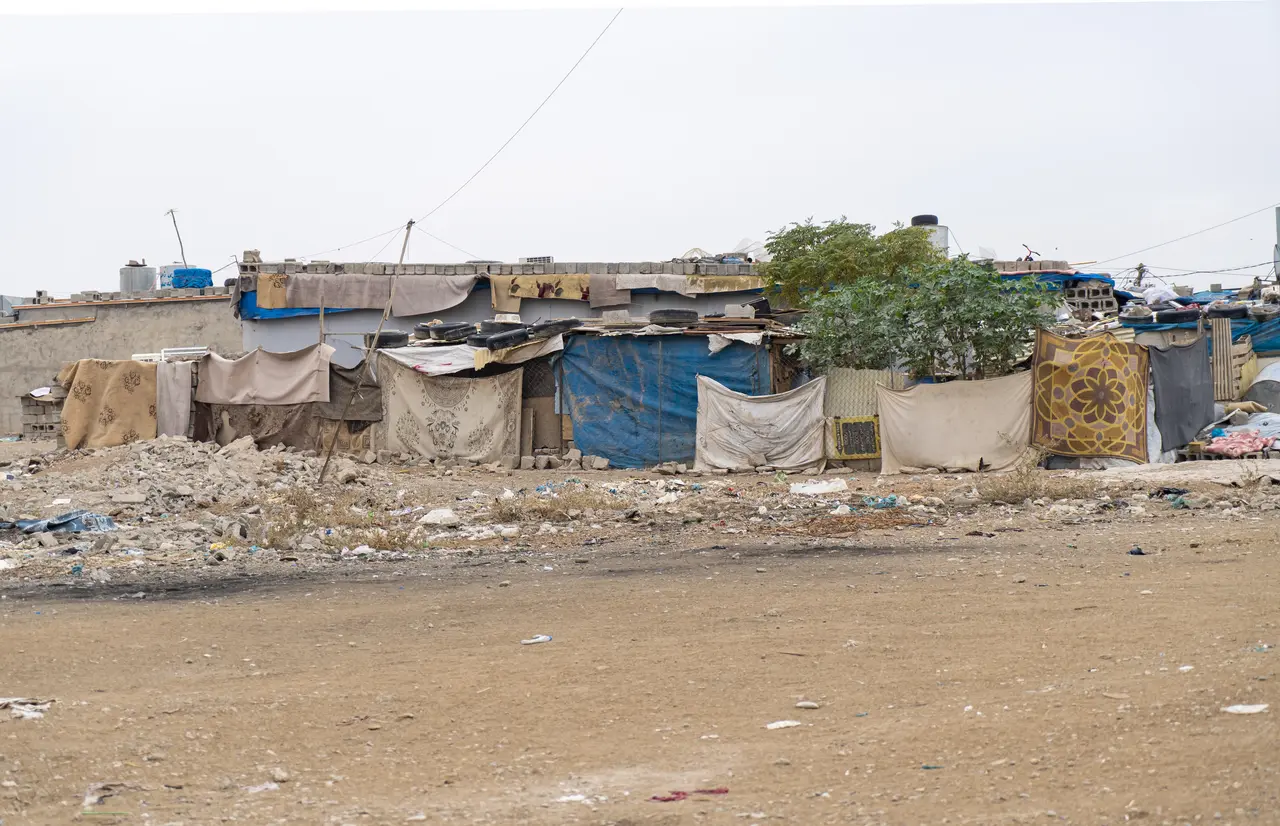
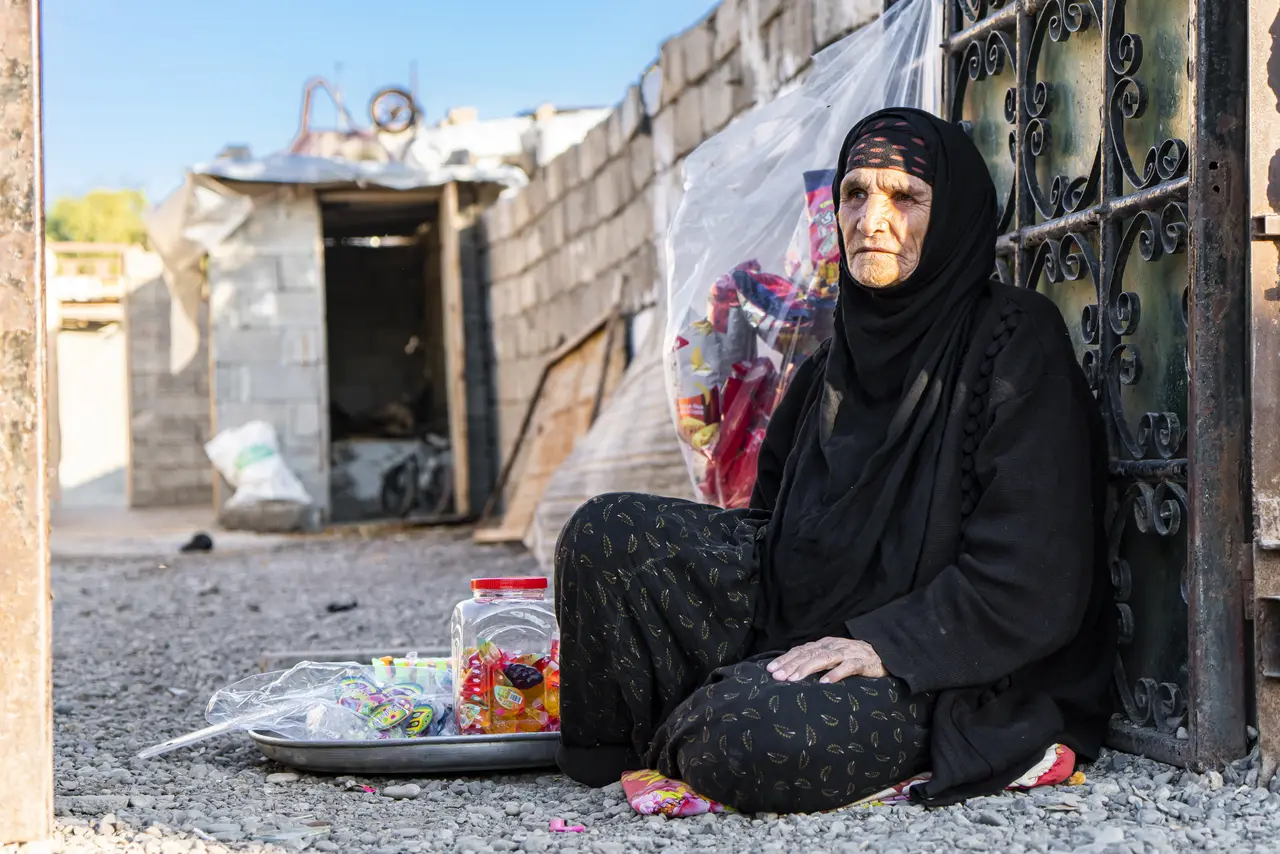
They seek refuge primarily in the area around the major cities of Mosul, Erbil, and Kirkuk. But here they face poverty and a lack of prospects: health systems and authorities are overwhelmed, and jobs are scarce. Many refugees have to eke out a living as day laborers with odd jobs.
No way back?
It has been two years since Assad was overthrown in neighboring Syria. A fragile peace now prevails there. And in Germany, the topic of "repatriations" to Syria is already being discussed. Given their situation: Do the people from Iraq not want to return?
“The short answer is: No,” says Bryar Bagg. “The fall of Assad was a historic event. But it hasn’t created security. The refugees we work with here see a Syria that remains torn apart. And that still frightens them.”
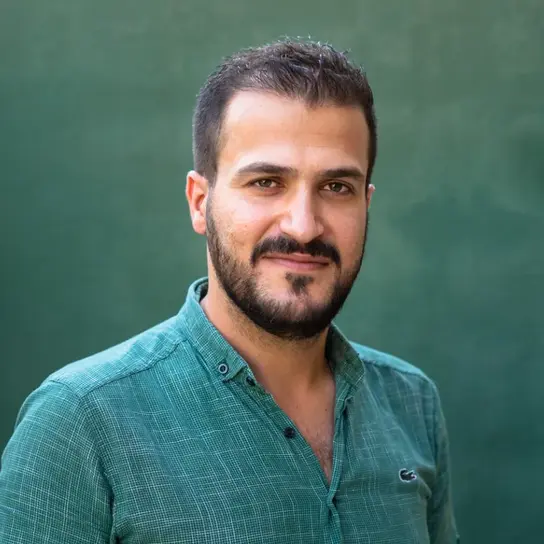
"Instead of planning their return, the families are trying to build their future here in Iraq. And we are trying to support the children in particular."
Green Desert
Bryar is the founder and director of Terre des Hommes partner organization "Green Desert" in northern Iraq. He sees every day the devastating effects of war and displacement. Green Desert specializes in trauma support and psychosocial assistance for children who have lost their homes.
And Bryar knows the experience of flight and displacement all too well: “When I was ten years old, I was displaced with my family. I experienced it all and know how hard it is. For a family and for each individual. Other team members, both Syrian refugees and Iraqi displaced persons, can also empathize with the children's situation from their own experience.”
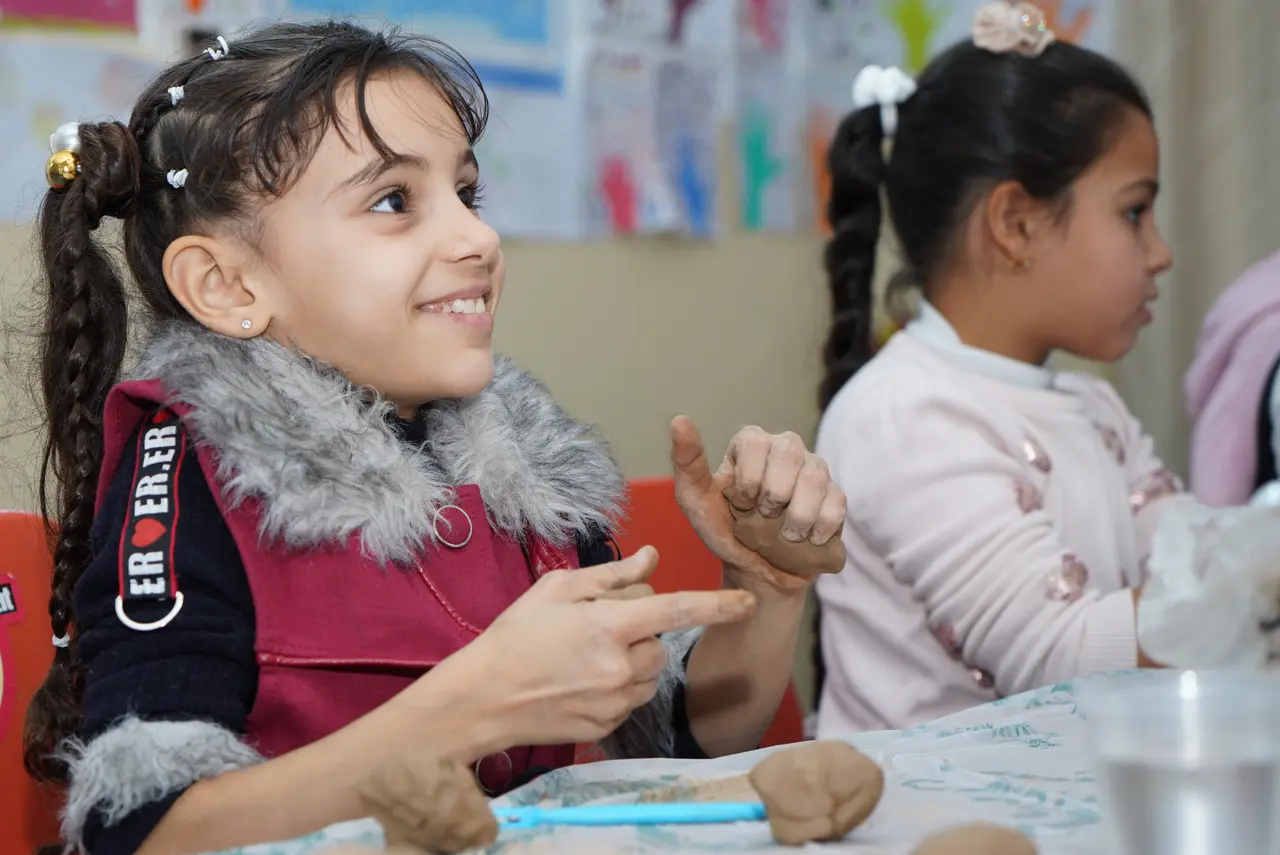

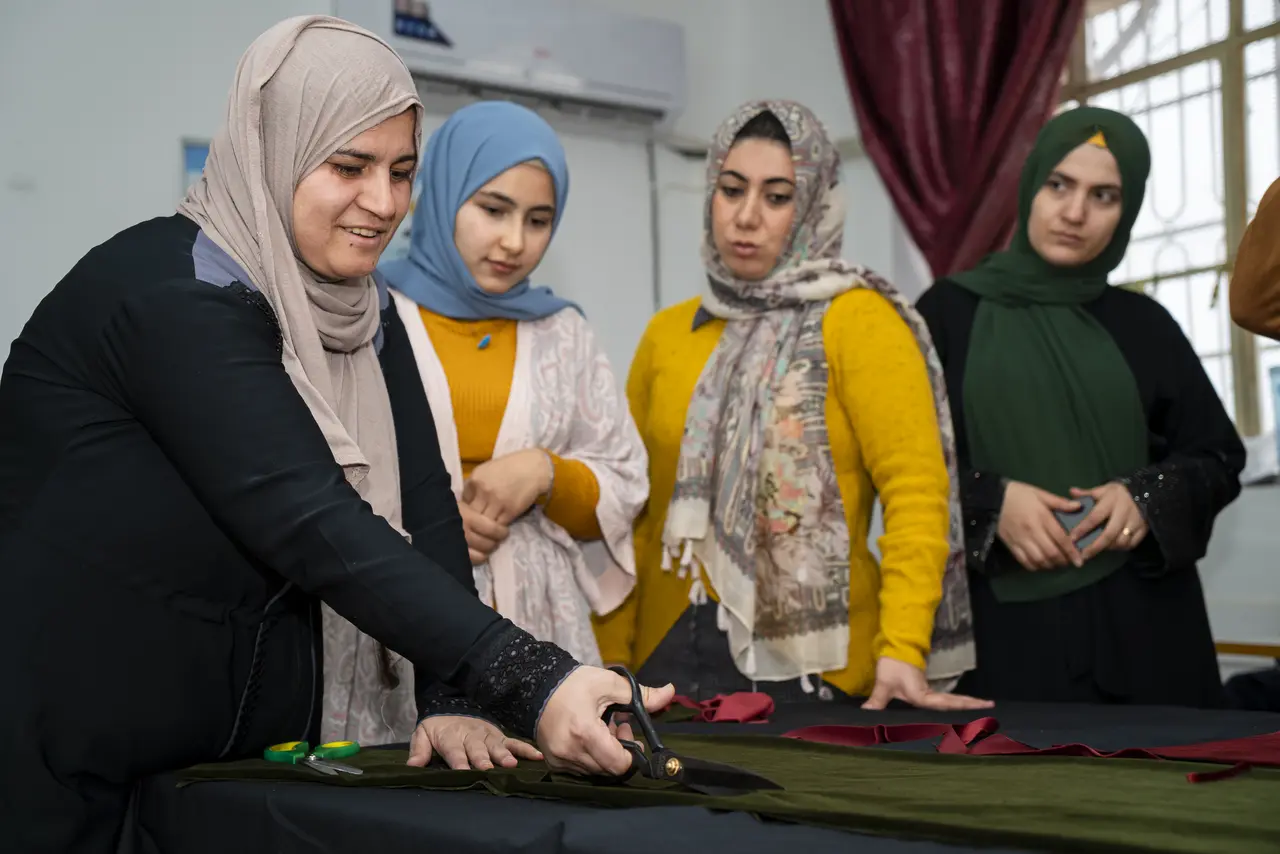
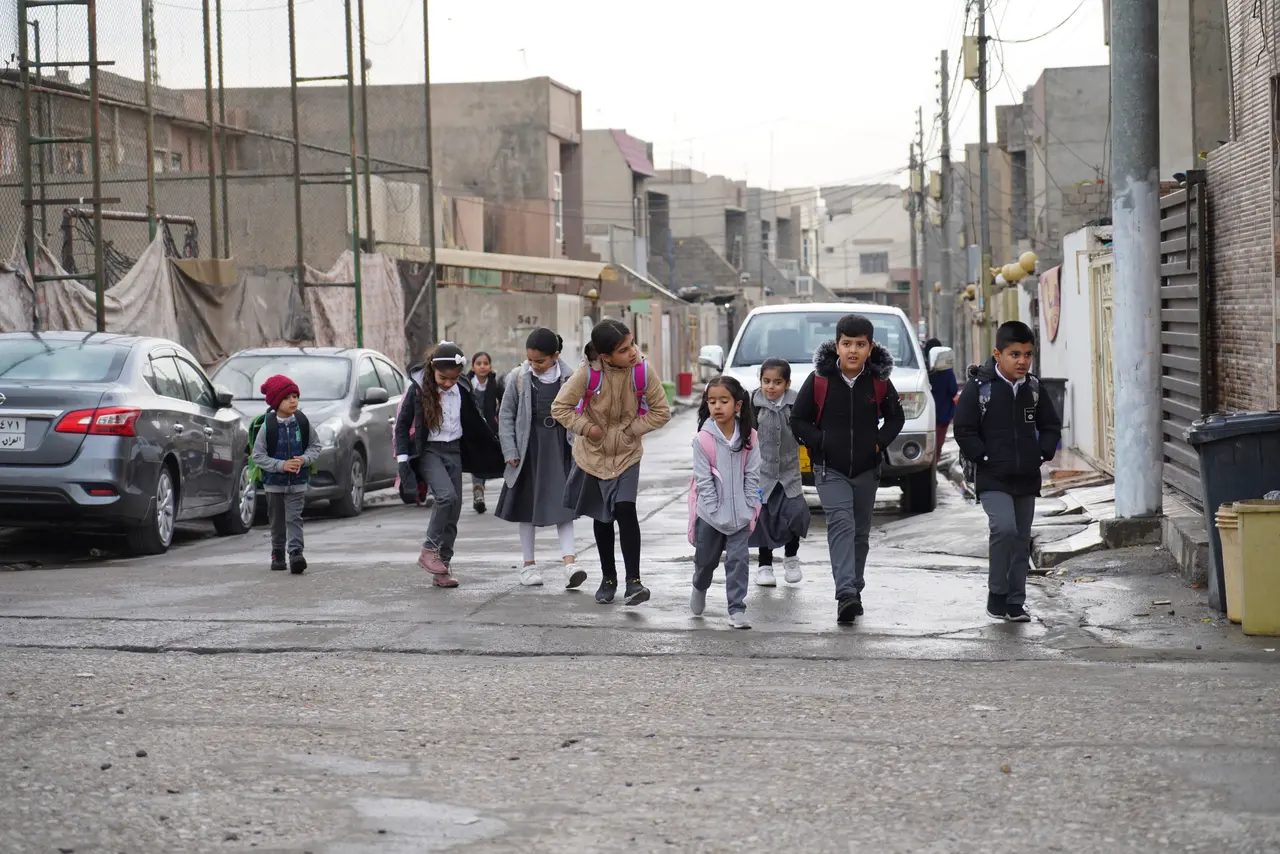
Closely linked to this is the so-called psychosocial support: Green Desert's staff try to improve the families' living conditions to such an extent that the children do not despair. They offer legal advice, support in finding secure employment for the parents, and assistance with applications to authorities – for example, to enable the children to attend school.
"People internalize: They will not return."
The fact that many families fear renewed conflict in their homeland and don't want to return is also due to the population structure in the region: most of the refugees are Kurds. In northern Iraq, in the semi-autonomous Kurdistan Region, they live in a comparatively stable relationship with the central government. In Syria, however, the government and Kurdish communities have only just concluded a peace agreement – after months of fighting and at the expense of their autonomy.
“This has hit many people here hard. We are now also dealing with a new, acute feeling of hopelessness regarding their homeland. People are internalizing the fact that they will not return,” says Bryar.
"But in a certain way, this makes our psychological help even more important: We try to help them look ahead."
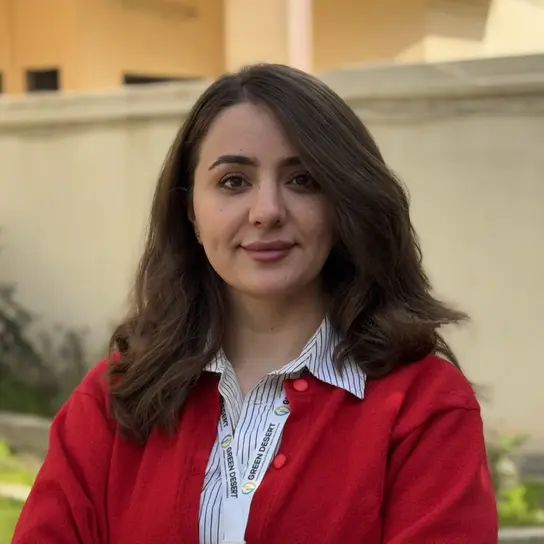
"The most important thing is to give strength. We help children and families to cope with the situation, overcome problems and, despite everything, lead a hopeful life with dignity."
Photos: Karam Tapany / Terre des Hommes
05.10.2026