

Mali: Fight against the exploitation of domestic workers
Mali is among the ten poorest countries in the world. Every second child under 18 works and contributes to the family income. Many girls leave their villages to work as domestic workers in the big cities. But most are completely unprepared and soon find themselves in desperate situations: they are poorly paid, work excessively long hours, don't get enough to eat, and are mistreated or sexually abused. APSEF (Association for the Promotion of Family Rights and Well-being) was registered as a non-governmental organization in 2006. However, even before that, its staff informed women and children in rural areas about their rights. The collaboration with terre des hommes began in 2012 with a study on the situation of domestic workers in the capital, Bamako. The project is currently funded by the Agnes Philippine Walter Foundation.
To fundamentally improve the situation of young domestic workers, all stakeholders must be involved, including landlords, employment agencies, employers, local authorities, and the media. APSEF invites these stakeholders to regular meetings where the rights and responsibilities of domestic workers are discussed. When staff members learn of girls in distress, they offer them support, such as placement in a shelter or legal assistance.
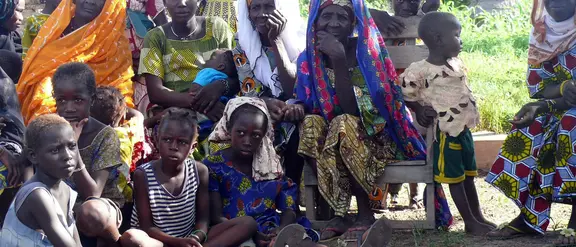
APSEF also works in the villages: In regular meetings with mothers, teachers, community officials, village elders, and the young people themselves, the organization informs them about the many risks facing young girls. Where possible, APSEF tries to create local alternatives. This includes enrolling mothers and their daughters in small-scale savings programs and training them to generate additional income. APSEF also works to prevent girls from leaving school too early to seek their fortune in the city.
So far, APSEF has only reached a small group of families, domestic workers, and employers, so it will expand its work. Together with other organizations, APSEF aims to strengthen the safety net for domestic workers and also hold politicians accountable for enforcing existing labor protection laws.