

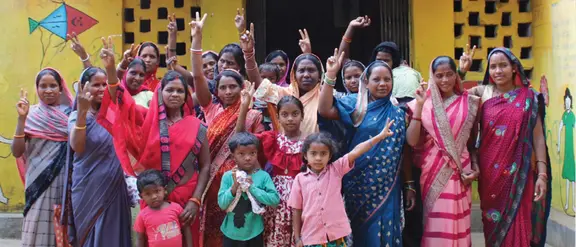
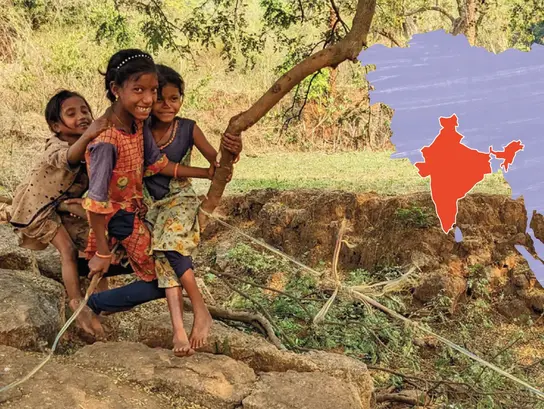
The situation in Odisha
The EXIT project is located in the Kalahandi and Rayagada districts of the Indian state of Odisha. With approximately 42 million inhabitants, Odisha is the eleventh largest state in India. Despite positive economic growth, 32.6 percent of the population still lives below the poverty line. Sixty percent of children are malnourished, and many families suffer from acute food shortages for several months each year. The causes include land loss, lack of irrigation, environmental degradation, and limited access to government assistance programs.
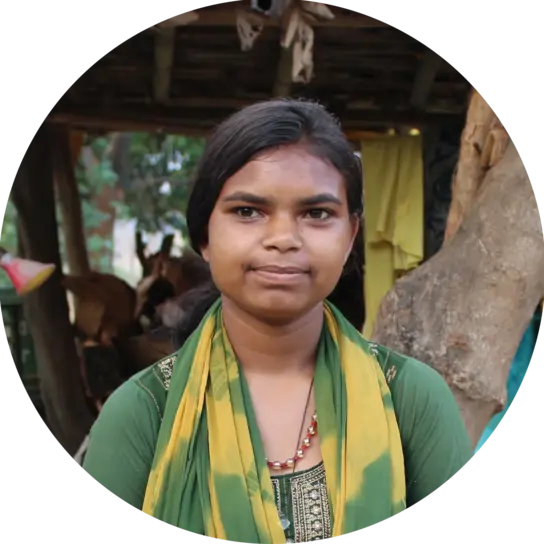
"Previously we couldn't grow our own vegetables. Today we can feed ourselves daily from our own vegetables and even share some with our neighbors."
The EXIT project contributes to strengthening food security and livelihoods while simultaneously creating the conditions for long-term sustainable development.
Through training in sustainable farming methods and targeted income-securing measures, families can increase their yields and improve their economic situation. This enables them to be better able to provide for themselves in the long term and prevent undernutrition and malnutrition.
The production and use of organic fertilizer, the cultivation of plants suited to the location, and access to traditional seeds through community seed banks help to protect natural resources.
The protection and restoration of forests, as well as measures for sustainable soil and water management, also contribute to preserving natural resources in the long term and increasing their resilience to the effects of climate change.
Children and young people are involved in environmental and development activities – not as spectators, but as actors (or: activists) who are committed to their rights and the protection of their environment in the long term.
Video footage
A longer video on YouTube, unfortunately no German subtitles
: https://www.youtube.com/watch?v=tVBhes_RNXU
