Türkiye: When arrival means work
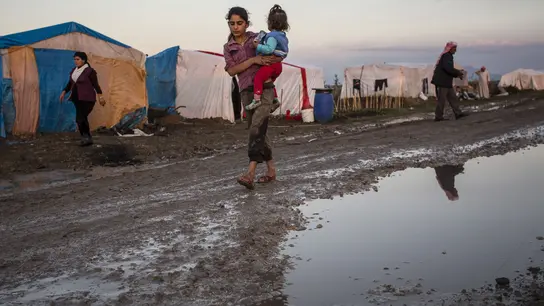
Even before the city awakens, the machines are humming. Hands that should be holding schoolbooks are grasping bolts of fabric and scissors. For many refugee children in Turkey, arriving means working, not learning or playing. Children traveling without their parents, in particular, quickly slip into dangerous jobs – without protection, without rights, without a voice.
Refugee children repeatedly lose their lives in workplace accidents. One of them was Abdurrezzak, a twelve-year-old boy from Syria. He was working in the Turkish city of Gaziantep and died when a glass door fell on him. Such tragedies are not isolated incidents, but rather the consequences of a system. The economic fallout from the COVID-19 pandemic and an uncertain immigration status are pushing many refugee families into dire straits. Parents are often forced to send their children to dangerous and exploitative work – such as informal waste collection. The practice of Turkish authorities detaining asylum seekers exacerbates the pressure on families: while parents are imprisoned, the children must provide for the family's livelihood. Childhood, health, and a future are thus pushed far into the distance.
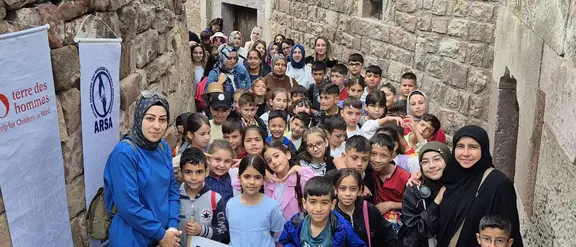
The work of our partner organizations in the region is therefore indispensable. "FiSA Çocuk" fights against impunity and for the visibility of children's rights violations through its "Justice for Children" project. It provides legal and psychosocial support to affected children and their families. In Kayseri, "ARSA," an organization run by migrant women, works to ensure that refugee children do not fall through the cracks of the system. Through educational programs, psychosocial support, and legal advice, ARSA creates safe spaces where children can regain hope. Workshops empower families to recognize and assert their rights.
The impact of this work is palpable: Hundreds of refugee children are regaining access to education through these projects – a gateway to safety, stability, and a future. Their mental health is strengthened, and their self-confidence grows. Every child who goes to school and every child who raises their voice proves that change is possible. Together with partner organizations, Terre des Hommes demonstrates that even in the midst of crises, protection can be built and hope shared. And childhood can be returned to where it belongs: into the hands of the children themselves.
Consumption without child labor
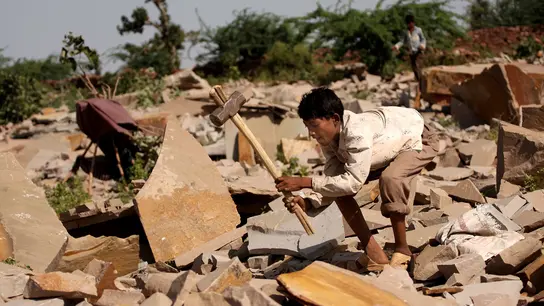
Nearly 138 million children worldwide are forced to work. Some pick tea, coffee, or cocoa beans; others weave carpets and sew clothes, quarry stones, or mine for metals and other raw materials.
How many children can escape poverty and exploitation also depends on what ends up in our shopping carts and (online) baskets. Our free brochure, "Consuming Without Child Labor," encourages consumers to look for products that were not harvested, manufactured, or transported by children. It also provides an overview of Fair Trade suppliers, labels, and product alternatives.