


Ukraine: Trauma aid for children, renewed strength for aid workers
Izyum, eastern Ukraine. Maksym is bursting with energy. He rides his bike, loves climbing trees and over obstacles, and exploring the area. "I may be missing an arm," he says. "But I think anyone who teases me is brainless."
Maksym* is ten years old today. He lives with his family in Izyum, a city heavily affected by war on the border between the Kharkiv and Donetsk regions. In 2022, he lost his left arm and his eyesight in a hail of bombs. But Maksym is strong: he quickly learned to live with one arm. His vision has fully recovered. Only a few small shrapnel scars on his face, which look like tiny blue dots, still bear witness to the tragic event.
The physical wounds healed, but the invisible injuries remained: Maksym withdrew. He had always been a cheerful child. But now he found it difficult to even talk or play with other children.
His mother sought help. Maksym began attending trauma-informed play sessions, where he gradually regained courage and confidence. "Seeing him gain self-confidence and actively play with other children is incredibly rewarding," reports Katja, a volunteer who leads the play sessions on behalf of the organization "Libereco." "When you work with him today, you can expect an adventure. Most of the time, you see him climbing the nearest tree."
Libereco: Trauma support on the front lines and in safe havens in the hinterland.
It is children like Maksym for whom our partner organization "Libereco – Partnership for Human Rights" is there in Ukraine: children who must find their way back to a life that has been abruptly interrupted by violence, loss, or shock and fear. Libereco's staff – professionals in psychology and psychotherapy – provide direct trauma-informed support. Furthermore, they provide what is known as "psychosocial support": They try to improve the children's living conditions to such an extent that they can find support and cope better with the ongoing stress.
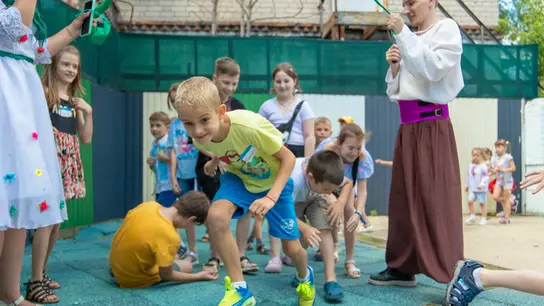
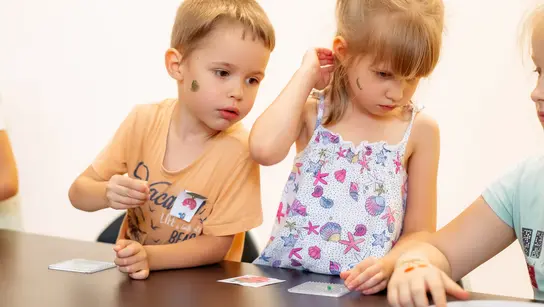
In towns and villages near the front lines, they offer children new glimmers of hope and moments of joy through play, sports, and therapy. In refugee shelters, they ensure that children feel safe and welcome, for example, by providing child-friendly spaces and play areas. With holiday camps in relatively safe regions of the country, they offer children and teenagers a respite from the daily realities of war.
Libereco must constantly prioritize its efforts. The need for stress- and trauma-informed support for children is enormous after four years of Russian missiles and bombs raining down on Ukraine, particularly on residential areas, schools, kindergartens, and children's hospitals. In these four years, many children have lost their homes, and almost all have witnessed the deaths of family members and friends.
According to credible estimates ,
every second child in Ukraine today suffers from so-called toxic stress or trauma – psychological wounds that cannot heal without help. They need trauma-informed support in a safe, familiar environment.
How can as many children as possible be reached in this situation? For Libereco, a key lies in passing on trauma-informed methods to the children's trusted caregivers and support persons. The organization strengthens parents, teachers, and educators in their understanding of children's mental health and provides access to support services so that children can quickly and directly receive the help they need: in dangerous situations, during panic attacks and anxiety, or in times of deep grief.
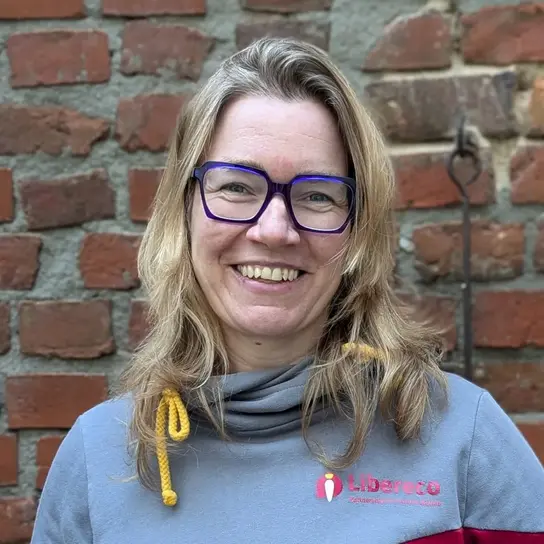
"We support dedicated people so that they become strong enough to empower others. So that they can also provide support to children facing very difficult circumstances."
Libereco has been a partner organization of Terre des Hommes for four years: Since the escalation of the Russian war of aggression, both organizations have been jointly building a security network for trauma therapy support in Ukraine. The project has already helped a total of 2,750 children and 2,500 parents in the country.
In the current project phase, a new dimension has been added: Support is now also available for those providing aid. They, too, feel the extreme strain of war while simultaneously sacrificing themselves in their responsibility for others.
"So that we are able to protect the most vulnerable in this war."
"These people are often at the end of their rope when they come to us," reports Dr. Imke Hansen, who is responsible for trauma therapy project work in Ukraine at Libereco. "Due to the shelling in the cities, most have barely slept a full night for months. They sense that they cannot continue as before. But they also cannot stop, because so many children and young people need their help."
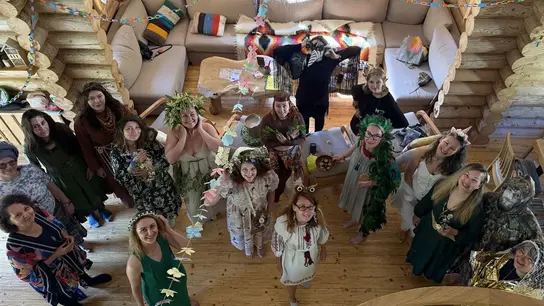
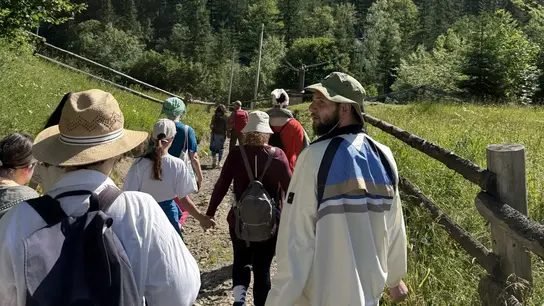
Libereco has developed a self-care program for these individuals: offering time off to recharge and flexible support in daily life. Libereco advises and supports them in strengthening their personal resilience.
"This is how we build a safety net in which people who are committed to children and young people take care of their own health and support each other. So that we are all still able to protect the most vulnerable in this war and support their development."


*Name changed for security reasons. The actual name is known Terre des Hommes .
17.02.2026