

Zimbabwe: The right to play and the fight against violence
Children are suffering most from the economic and social crisis in Zimbabwe. Many experience violence and abuse in their daily lives. The “Community Arts Project” (CAP), supported by Terre des Hommes promotes peaceful conflict resolution and strengthens child protection.
In the beginning, it was simply a play: A small project group in Harare, the capital of Zimbabwe, offered young people a platform to raise awareness about the living conditions of children. Today, ten years later, it has grown into 30 children's clubs dedicated to promoting children's rights in Zimbabwe.
Your support for strong children!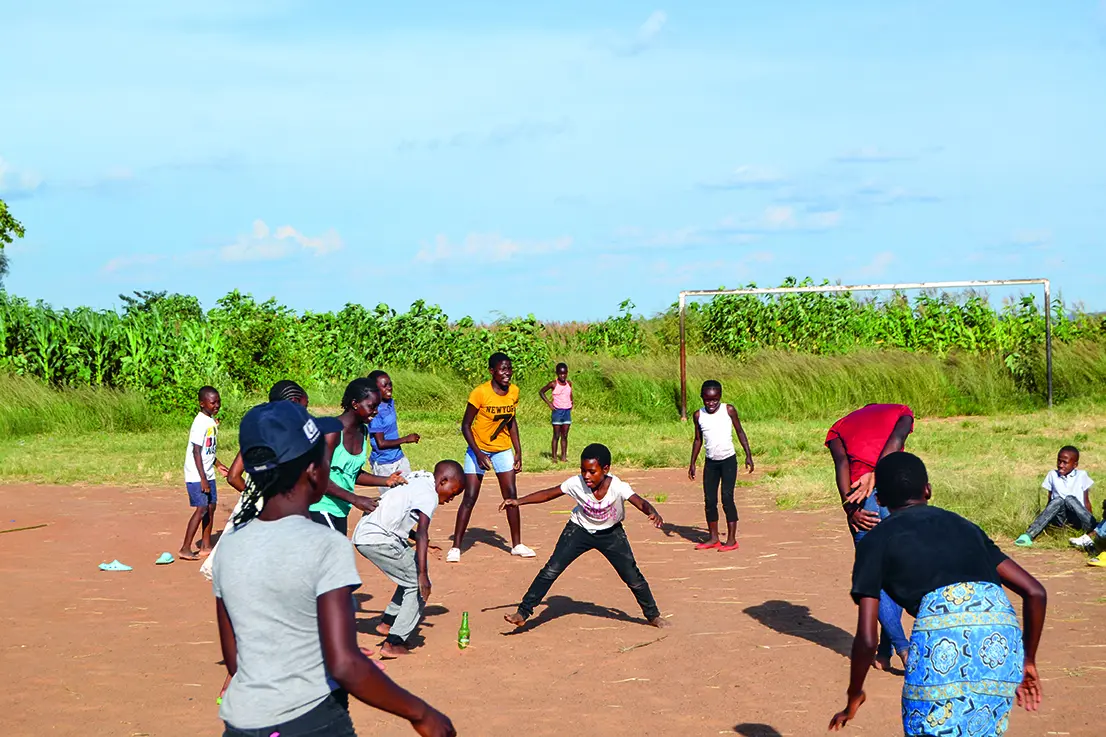
Children are playing their future
The development of this project is a response to the precarious situation in the country: persistent economic and political crises, including corruption, extremely high unemployment, and recurring droughts, have exacerbated poverty. Many children are forced to drop out of school and contribute to their families' livelihoods. Furthermore, authorities often lack the knowledge and resources for effective child protection policies. The shortcomings in prosecuting the sexual abuse of girls are particularly serious. In addition, many urban neighborhoods lack safe spaces where children can play.
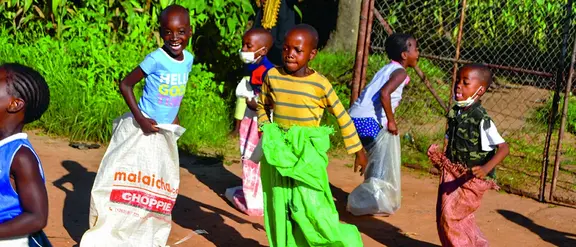
This is where the project comes in, offering girls and boys recreational activities in a safe environment. There, they can playfully express their creativity and learn to resolve conflicts peacefully. The children perform their own plays, sing songs, or tell stories about children's rights. They often address the issue of violence in these stories.
And often the plays deal with how the children envision their future. The highlight of the year is the annual theater festival, in which schools from the city also participate and bring their ideas on the topic of children's rights to the stage. The best play is awarded a prize.
Children do lobbying
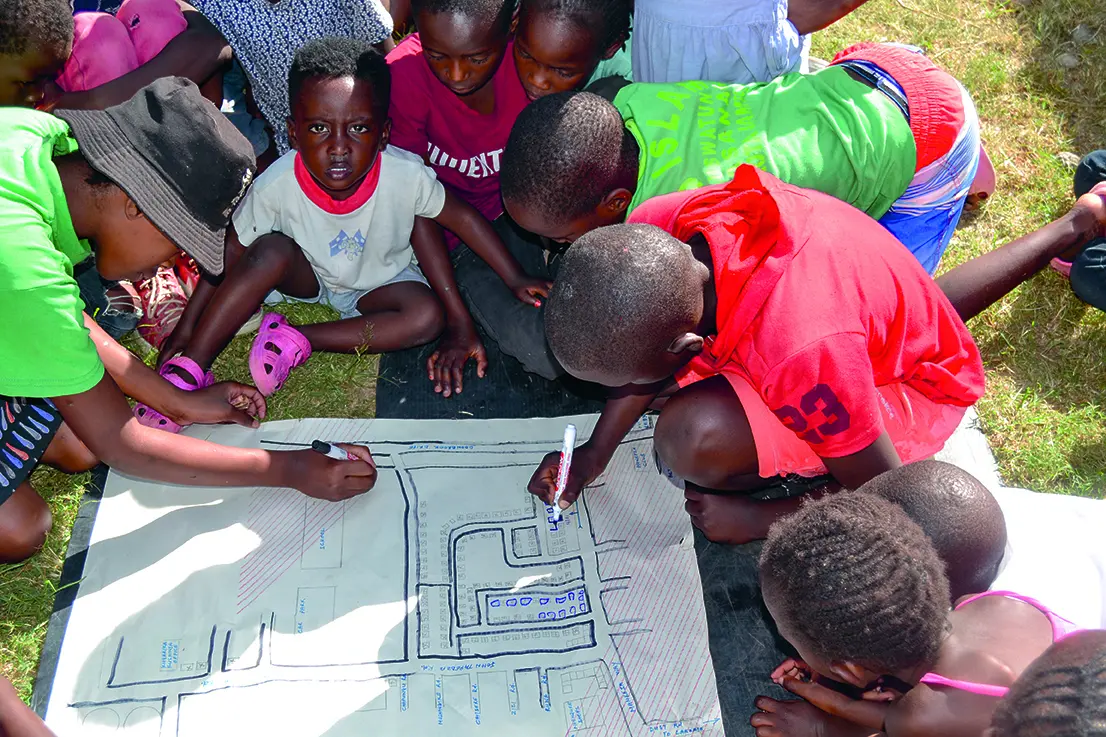
To raise awareness of children's rights in the country, the children's clubs use social media and post their plays as short films online. The clubs now reach more than 10,000 girls and boys. This is a great success, as their activities have led to a strong network with other organizations and government agencies. At regular
meetings with representatives of local authorities, the girls and boys contribute suggestions for improving child protection in their neighborhoods.
Public and governmental awareness of the problem of violence has noticeably increased: abuse cases are being reported to the police more frequently, and authorities are responding more quickly to violations of rights. Several schools in the city have now adopted the CAP project model of "safe spaces for children." Thanks to the "Community Arts Project," young people have finally been given a voice to strengthen children's rights in Zimbabwe