

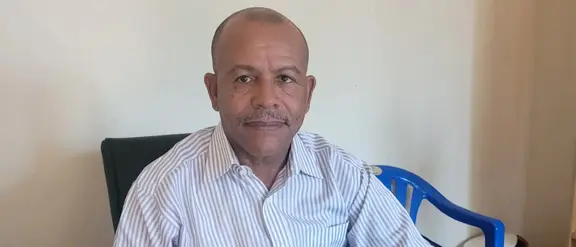
Interview with project manager Matebie Fentie
The situation in South Sudan has escalated once again: Armed clashes and political tensions are leading to widespread displacement and restricting access for aid workers.
On the morning of February 25th, one of our project sites, the Makpandu refugee camp, was attacked: residents and staff fled to the surrounding area, one resident was killed, and children are traumatized. In the following interview, Matebie Fentie, project manager of our partner organization JRS, describes exactly what happened, what kind of help is needed, and how the nationwide escalation is affecting humanitarian work.
What happened on the morning of February 25th at Camp Makpandu?
At around 5:30 a.m., we heard gunfire that lasted for about two and a half hours. Attackers opened fire, burning down checkpoints and buildings, looting homes and shops; one refugee was killed, and a soldier was wounded. Many people fled to the surrounding countryside. Government forces moved in about five hours later and restored order, but fear and trauma remain.
Your donation for children in warHow are the children from our project doing?
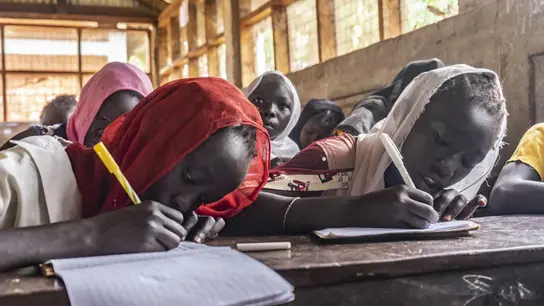
Many children screamed and ran in different directions; some were temporarily missing. After the attack, the children are noticeably more fearful, stay close to their parents, avoid school, and show symptoms of stress and trauma.
And what about the employees?
One of our staff members fled to the surrounding area along with other aid workers and remained there until the situation calmed down; she was subsequently relocated to a safe location. We are in constant contact, have prepared evacuation plans, and are providing psychosocial support.
The attack on Makpandu is unfortunately just one of many incidents. How did this nationwide escalation come about?
The security situation in South Sudan has deteriorated following heavy fighting in Nasir last year, which led to the arrest of Vice President Riek Machar. His arrest, along with those of other leaders, has dramatically increased political tensions and sparked clashes between government forces and armed groups in several states. Furthermore, conflicts between the Azande and Balanda communities have exacerbated the situation.
How does the conflict affect our aid for children?
The crisis is tying up government resources and hindering access to several regions. Some project areas have been virtually inaccessible for months. In the short term, we anticipate continued restrictions and uncertainty; in the medium term, the situation could stabilize temporarily, but in the long term, we see a risk of further deterioration due to upcoming elections.
What do children need most urgently right now – and how can they be helped?
Sufficient food, safe shelter, trauma-informed care from professionals, and opportunities for education and play are essential. Because humanitarian aid is decreasing, additional resources must be made available quickly. At the same time, diplomatic pressure and negotiations are necessary to ensure that the conflicting parties implement the peace agreement and restore safety for children.
What gives the helpers the strength to continue despite the danger?
All our staff continue to work with great dedication and commitment for children and families in need. This is especially important because many aid organizations are reducing their support or discontinuing their projects altogether. The well-being of our team is very important to us – therefore, we urge you to support our staff in the same way they support the children and communities.
Projects

Your contact person

Claudia Berker
Speaker for Programs and Strategies