


According to United Nations estimates, 735 million people worldwide suffer from hunger. The situation is particularly alarming for children: almost a quarter of all girls and boys under five suffer from stunted growth. With your support, we help families generate an income they can use to feed their children. In our projects, we teach organic farming methods to ensure the long-term food security of these families.
Your donation helps!
Projects


Hunger and nutrition - data and facts
Why does hunger exist despite sufficient food production?
People do not suffer from hunger and malnutrition because there is a global food shortage, but rather due to distribution problems. These arise from armed conflicts, economic crises, and climate change, which disrupt supply chains and make food unaffordable in many countries. This situation is exacerbated by structural inequalities and vested economic interests that further restrict access to healthy, affordable food.
To combat global hunger sustainably, comprehensive measures are necessary. These include promoting sustainable, locally appropriate agriculture, strengthening local markets, and implementing policies to support low-income populations.
What can be done about hunger?
Curb speculation in food commodities
A major problem for global food security is speculation in food commodities. It influences prices and availability of food on global financial markets, jeopardizing food security. To combat global hunger, there are calls to restrict financial speculators' access to food markets. Speculators without direct access to physical markets, such as large banks and investment firms, are particularly affected, as their speculative trading drives up food prices.
Government purchase guarantees or cooperative models could provide price protection. Additionally, strategic commodities such as oil and basic foodstuffs could be excluded from speculative trading to improve market stability and food security.
Strengthening small farmers
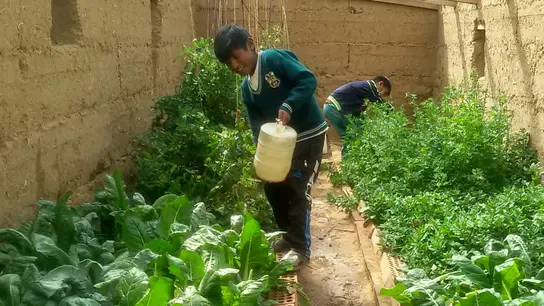
A long-term and effective strategy for combating hunger in many countries would be to strengthen smallholder farming families. Many people suffering from hunger are themselves smallholder farmers. Projects that secure their food production are essential for improving food security. In its projects, Terre des Hommes supports families with seeds and training in sustainable farming methods to increase food availability.
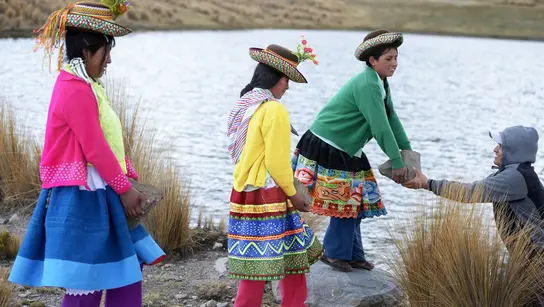
In addition to supporting small-scale farmers, governments must create favorable conditions. Access to land, water, and seeds are fundamental rights that promote food security. For example, in Peru and Colombia Terre des Hommes ' partner organizations promote traditional farming methods and improve infrastructure to facilitate people's access to markets and keep food prices stable.