

Mozambique: Environmental protection on the coast
According to the Climate Risk Index, Mozambique is among the ten countries most affected by the impacts of climate change. Its long coastline and flat landscape are prone to flooding and storms. Although the forests, and especially the native mangroves of the coastal region, provide a livelihood through fishing and agriculture, the ecosystem is being destroyed by deforestation and overexploitation.
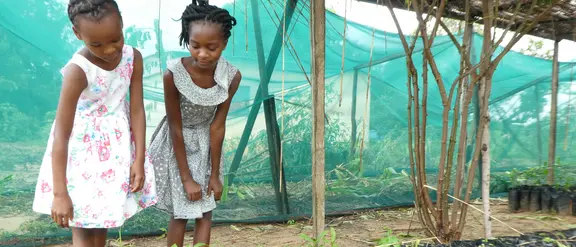
One reason lies in the lack of environmental awareness and the absence of political and public debate on environmental protection. Mahlahle (Xitswa: sunrise) is a local organization that has been working since 1997 to promote and support, initially women, in the Inhambane province. Now, its work focuses on increasing the population's resilience to disasters, strengthening civil society, and ensuring equal participation for all in social processes. On a practical level, Mahlahle works to improve the food situation of families and communities. For example, the current project teaches how to use low-fuel stoves. In school gardens, children and young people learn how to grow vegetables despite challenging environmental conditions and can apply this knowledge at home.
Environmental protection in schools:
The local school system allocates 20 percent of class time to each state school for locally relevant topics. Mahlahle uses this time to establish better environmental education in schools. Through training for teachers, volunteers, and community leaders, environmental awareness is raised and alternatives to current practices are offered. Children and young people participate in environmental clubs and use local radio stations and theater performances to raise awareness about environmental issues. Additionally, the establishment of tree nurseries and the reforestation of mangrove forests counteract the destruction of the local ecosystem.
The goal is to equip communities with the knowledge and resources to create a sustainable and ecological livelihood. To this end, further training in water management and sustainable, organic farming methods is planned. Furthermore, civil society organizations will be strengthened, and joint petitions for environmental protection will be developed.