

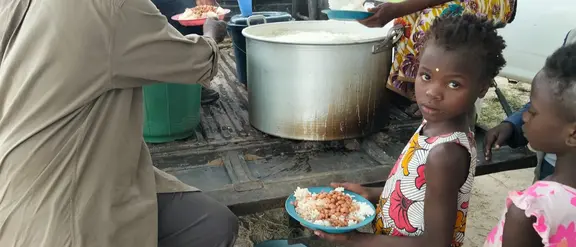
Mozambique has been severely affected by the current floods in southern Africa. Flavio Liberato heads our partner organization Wona Sanana in Mozambique and describes the situation on the ground.
Which areas are most affected, and how are you experiencing the situation?
The worst affected areas are southern Mozambique – especially the provinces of Gaza, Maputo, and Inhambane – as well as Sofala and Nampula. Floods caused by heavy rains and overflowing rivers have destroyed roads and rendered many places inaccessible. In Gaza and Maputo, water from South Africa further exacerbated the situation. Currently, many roads are closed, villages are isolated, and people remain trapped.
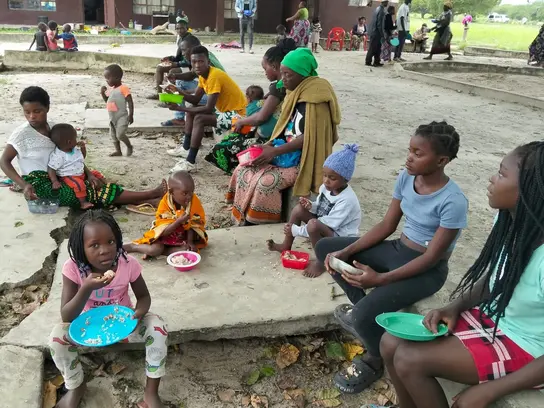
According to the latest official data, over 616,000 people are affected, with around 100,000 in emergency shelters. Supplies are inadequate: there is a lack of tents, food, clothing, blankets, and sanitation facilities. Many shelters lack clean water or cooking facilities. Children are particularly vulnerable, and their needs are barely being met – many are simply seeking shelter from the rain and hunger. We are witnessing this situation with outrage and a sense of helplessness. It is painful not to be able to help because of a lack of resources on the ground and continued inability to reach the worst-affected areas.
Donate now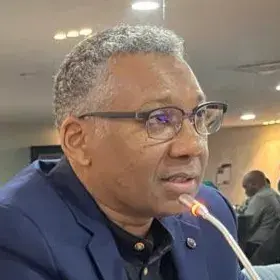
"Many children suffer from hunger, insecurity, illness, and trauma. They show signs of post-traumatic stress."
What are the most urgent needs in the coming days and weeks?
There is a shortage of everything on site: food, clothing, blankets, hygiene products, light, and basic cooking utensils – people had to leave their homes so quickly that they could barely take anything with them. Now they are improvising with what they can find. Drinking water containers are scarce, tents are overcrowded – often more than ten families share one tent. Many are sleeping outdoors, under vehicles or trees.
Toilets and washing facilities are lacking, exacerbating hygiene problems. Medical assistance is scarce, and many injured people receive no initial care. Children are treated like adults, lacking a safe space and supervision. They often wander alone and are particularly vulnerable.
What support is currently being provided? How does Terre des Hommes provide support?
The National Institute for Disaster Management (INGD) coordinates emergency responses, but its resources are limited. At the local level, county authorities are trying to provide assistance with scarce resources and support from local stakeholders.
Terre des Hommes is in constant communication with us and other local project partners, gathering information, supporting the emergency relief process, and mobilizing resources to respond to the most urgent needs and improve child protection. In the case of my organization, Wona Sanana, all communities where Terre des Hommes projects were running or had recently started are affected.
What impact do you foresee on children and young people?
Many children suffer from hunger, insecurity, illness, and trauma. They show signs of post-traumatic stress and urgently need psychological support. The unsanitary conditions will promote diseases such as malaria, diarrhea, and malnutrition.
Older children, driven by desperation, might resort to problematic strategies, such as petty theft; girls are at risk of becoming victims of abuse. In some provinces, the upcoming start of the school year will be impossible for many: schools are damaged or inaccessible, and families lack the resources to replace their children's school supplies and clothing.
Donate now